Backyard Hammock Liability Insurance: The Ultimate Guide to Coverage, Costs, and Safety Tips
Introduction
Backyard hammocks provide a relaxing escape, yet they also introduce potential liability concerns for homeowners. This guide explains the scope of hammock liability insurance, outlines typical costs, and offers practical safety recommendations. Readers will learn how to assess risk, select appropriate coverage, and integrate complementary accessories that enhance safety. By the end, one will be equipped to enjoy a hammock without fear of costly legal disputes.
Background and Context
Liability insurance protects individuals from financial loss when third parties suffer injury or property damage linked to their activities. In the United States, homeowners insurance often includes personal liability coverage, but it may have limits that are insufficient for high‑risk outdoor installations. Hammocks, especially those anchored to trees or freestanding frames, can fail under weight or weather, creating hazardous situations. Understanding the interplay between standard policies, umbrella policies, and specialized endorsements is essential for responsible hammock ownership.
Understanding Liability Coverage Options
Three primary avenues exist for securing hammock liability protection. First, the personal liability portion of a standard homeowners policy typically offers $100,000 to $300,000 in coverage, which may suffice for minor incidents. Second, an umbrella policy extends those limits, often adding $1 million or more, providing a safety net for severe claims. Third, some insurers offer sport‑specific endorsements that address outdoor recreational equipment, including hammocks, with tailored limits and exclusions. Evaluating these options requires reviewing policy language, deductible structures, and any exclusions related to outdoor furniture.
Cost Considerations
Premiums for liability coverage vary based on location, property value, claim history, and chosen limits. A basic homeowners policy with $300,000 liability may cost an additional $50‑$100 annually, while adding a $1 million umbrella policy often ranges from $150 to $300 per year. Specialized hammock endorsements are less common but can add $20‑$40 annually. Bundling these products with existing home or auto policies frequently yields discounts, reducing overall expense. Homeowners should request quotes from multiple carriers to compare cost‑to‑benefit ratios.
Recommended Products for Enhanced Safety
While insurance mitigates financial risk, physical safety measures reduce the likelihood of accidents. Two products complement hammock safety and align with the insurance theme.
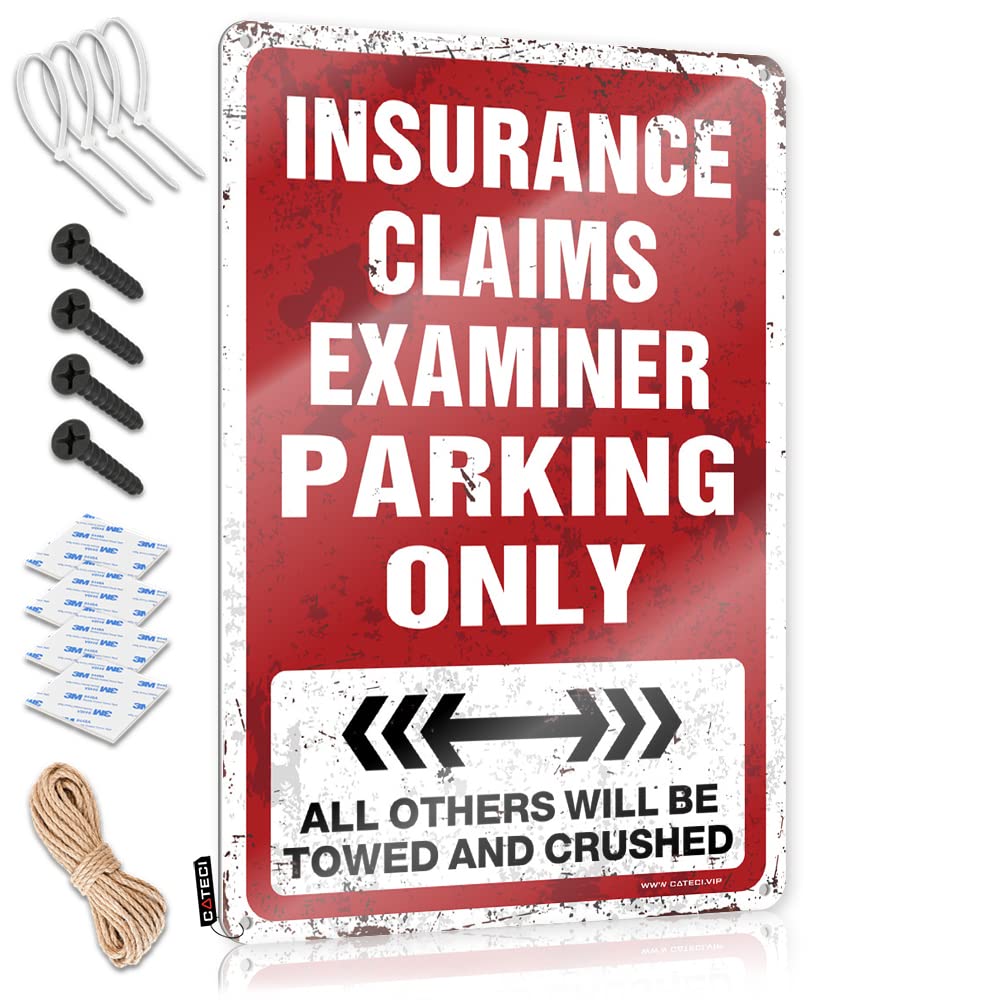
- BRUB Vintage Wall Sign – A decorative wall sign that can be mounted near the hammock area to remind users of weight limits and safety guidelines. The sign measures 20 × 30 cm, is waterproof, rust‑proof, and features smooth rounded edges that prevent cuts during installation.
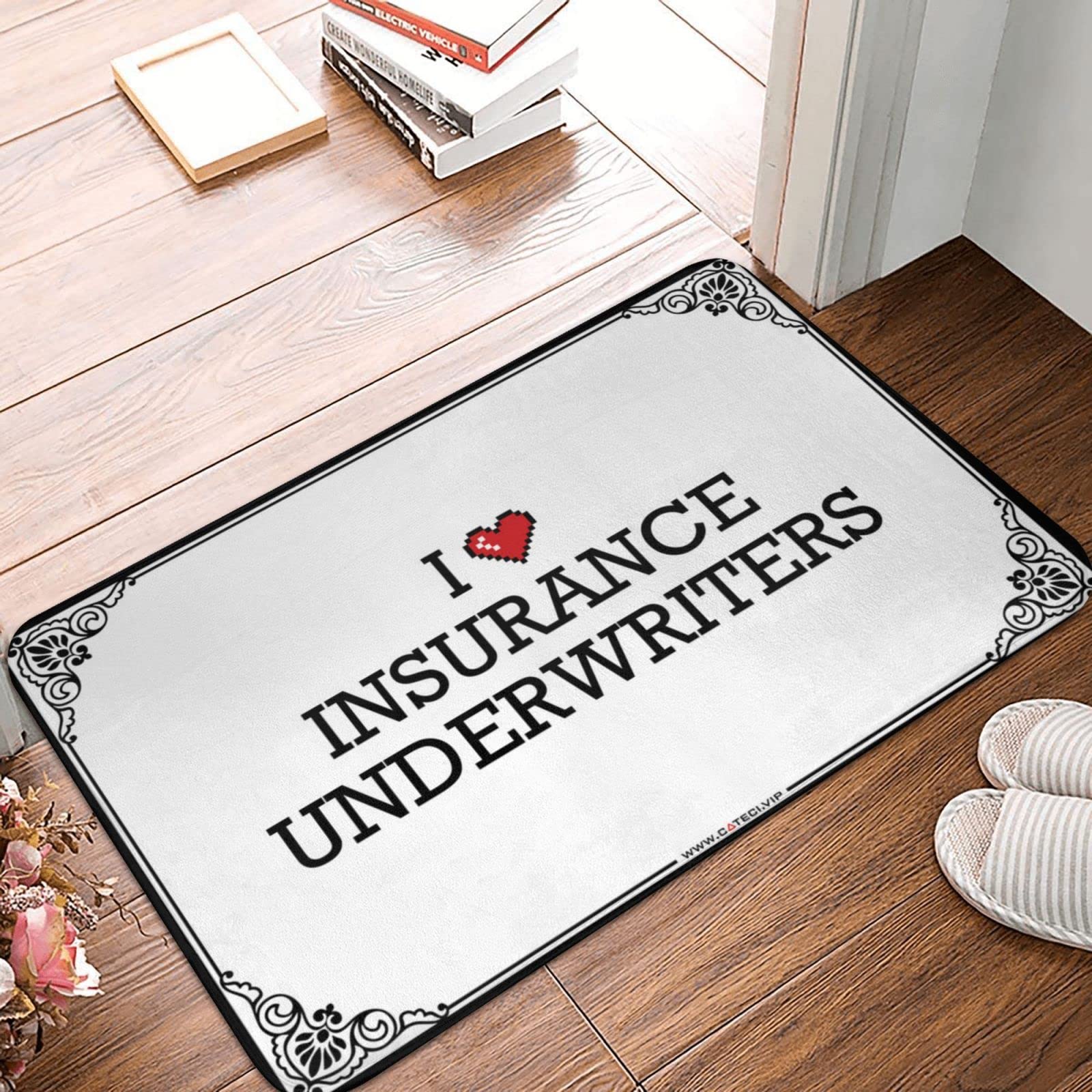
- MZBS Funny Insurance Floor Mat – A non‑slip floor mat placed under hammock anchor points to improve footing and reduce slip hazards. Measuring 50 × 80 cm, it offers a plush, ultra‑soft surface that is easy to clean and retains shape over long‑term use.
Both items carry a 5‑star rating (BRUB) and are in stock, providing immediate access for homeowners seeking quick safety upgrades.
Comparison and Selection Guide
Choosing the right insurance and safety accessories involves matching risk tolerance with budget constraints. The table below compares key attributes of the two featured products alongside insurance options.
| Feature | BRUB Vintage Wall Sign | MZBS Funny Insurance Floor Mat | Liability Coverage |
|---|---|---|---|
| Primary Purpose | Visual safety reminder | Anti‑slip surface | Financial protection |
| Dimensions | 20 × 30 cm | 50 × 80 cm | $100k‑$1M+ |
| Material | Tin metal, waterproof, rust‑proof | Plush, ultra‑soft, non‑slip backing | Policy‑dependent |
| Price | $16.55 | $24.50 | $50‑$300+ annually |
| Rating | 5/5 (0 reviews) | No rating provided | Varies by carrier |
Homeowners who prioritize visual cues should select the wall sign, while those concerned about slip hazards may prefer the floor mat. For comprehensive protection, both accessories together create a layered safety system that complements liability insurance.
Best Practices & Safety Tips
Beyond insurance and accessories, several practical steps reduce hammock‑related risk. First, always verify that trees or frames can support the intended weight; a professional arborist can assess load‑bearing capacity. Second, use sturdy, rust‑resistant hardware such as stainless‑steel carabiners and heavy‑duty straps rated for at least twice the maximum user weight. Third, install the hammock at a safe height—no higher than 10 feet—to prevent severe injury from falls. Fourth, regularly inspect all components for wear, fraying, or corrosion, replacing any damaged parts promptly. Finally, educate family members and guests about proper entry and exit techniques, emphasizing the need to avoid swinging while the hammock is occupied.
Frequently Asked Questions
- Do I need separate liability insurance for a backyard hammock? In most cases, the personal liability portion of a homeowners policy provides basic coverage, but adding an umbrella policy or endorsement offers higher limits for severe incidents.
- What is the typical deductible for hammock liability claims? Deductibles vary; many policies use a $250‑$500 deductible for personal liability claims, but umbrella policies often have no deductible for liability coverage.
- Can I claim damage to my hammock under a homeowners policy? Damage to personal property is usually covered under the dwelling or personal property sections, not liability. Review the policy to confirm coverage for outdoor furniture.
- How often should I inspect my hammock setup? Conduct a visual inspection monthly, and perform a load test quarterly by applying half the rated weight to ensure straps and anchors remain secure.
- Are there any zoning restrictions for hammocks? Some municipalities have setback requirements for structures attached to trees; consult local ordinances before permanent installation.
- Do the featured products affect my insurance premiums? Generally, safety accessories such as the wall sign and floor mat do not directly influence premiums, but they demonstrate proactive risk mitigation, which insurers may view favorably during underwriting.
- What should I do if an accident occurs? Seek medical assistance immediately, document the scene with photos, gather witness statements, and notify your insurance provider within the policy’s reporting timeframe.
Conclusion
Backyard hammocks offer unparalleled relaxation, yet responsible ownership demands attention to liability and safety. By understanding coverage options, budgeting for appropriate premiums, and implementing physical safeguards—including the BRUB Vintage Wall Sign and MZBS Funny Insurance Floor Mat—homeowners can minimize risk and protect both guests and finances. Combining insurance with diligent maintenance creates a robust defense against unforeseen incidents, allowing one to enjoy the hammock experience with confidence.
Products Featured in This Guide
BRUB Vintage Wall Sign
Price: $16.55
Rating: 5/5 (0 reviews)
Featured because it provides a clear, waterproof visual reminder of weight limits and safety guidelines, reinforcing the liability mitigation strategy.
MZBS Funny Insurance Floor Mat
Price: $24.50
Rating: Not provided
Featured because its non‑slip, plush surface reduces the chance of falls when entering or exiting a hammock, directly supporting safety recommendations.