Introduction
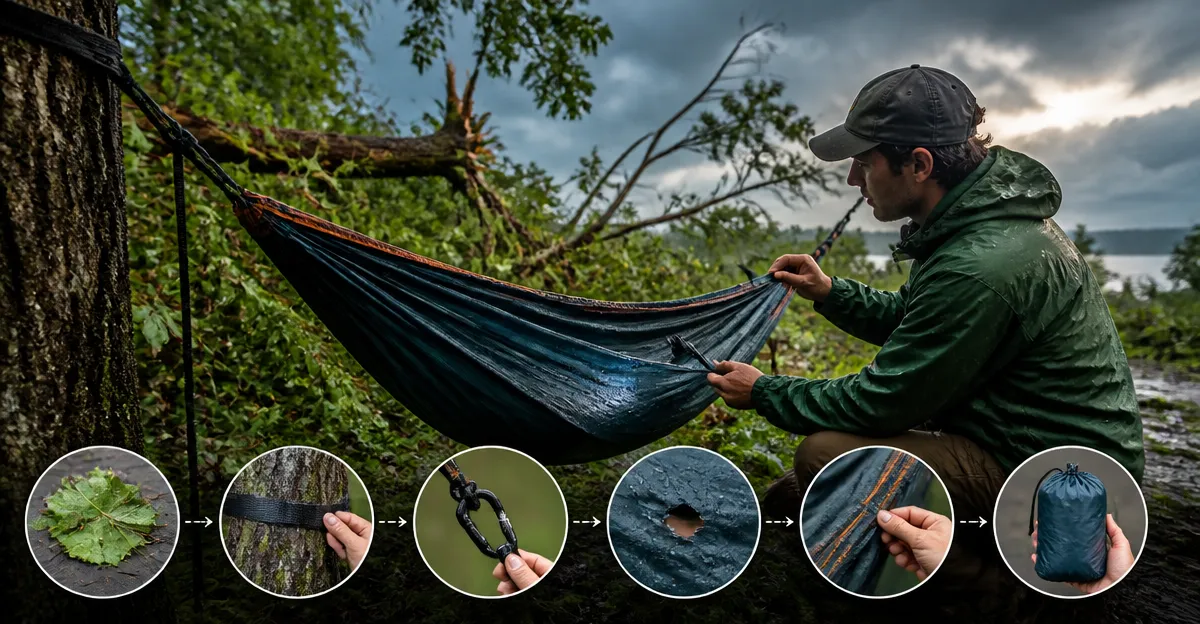
After a severe weather event, a hammock that has endured wind, rain, and debris may conceal hidden damage that could compromise safety. This guide will teach the reader how to conduct a systematic post‑storm inspection, identify necessary repairs, and implement preservation techniques that extend the lifespan of the hammock. By following the checklist, one can avoid sudden failure during future use and maintain the comfort and aesthetic value of the outdoor retreat. The information presented is applicable to a wide range of hammock styles, from heavy‑duty stands to lightweight portable models.
What You'll Need
- Soft‑bristle brush or lint roller for surface cleaning
- Mild soap and a bucket of warm water
- Heavy‑duty zip ties or nylon repair tape
- Replacement hardware (hooks, carabiners, bolts) if wear is detected
- Measuring tape or ruler
- Weight plates or sandbags for load testing
- Optional tools: PNAEUT Double Hammock with Stand – a sturdy steel frame that simplifies stand inspection and provides a stable platform for testing
- Optional portable hammock for comparison: SZHLUX Camping Hammock
Step 1: Visual Exterior Inspection
The first step is to perform a thorough visual sweep of the hammock and any supporting components. One should stand at a safe distance, examine the fabric for tears, discoloration, or water‑stain rings that indicate prolonged exposure. Next, inspect the stitching along the edges; loose or frayed threads are a warning sign. Finally, look at the surrounding area for debris such as branches, sand, or mud that may have become embedded in the material. This step does not require any special equipment, but a flashlight can reveal hidden damage in low‑light conditions.
Step 2: Assess Fabric Integrity
Fabric condition is the most critical factor for user safety. Gently run a hand over the surface to feel for thin spots, abrasions, or areas where the weave has become loose. If the hammock is made of cotton or parachute nylon, the texture should remain uniform. For a quick comparison, one may unroll a SZHLUX Camping Hammock, which features 210T parachute fabric that resists tearing and dries rapidly. The SZHLUX model is priced at $15.99 and holds a rating of 4.7 out of 5 stars from 4,344 reviews, making it an excellent benchmark for durability. Any visible fraying should be repaired with nylon repair tape or a professional sewing kit before the hammock is used again.
Step 3: Examine Support Structure
If the hammock utilizes a stand, such as the PNAEUT Double Hammock with Stand, inspect the steel frame for rust, bent legs, or loose bolts. The PNAEUT stand is constructed from heavy‑duty steel, supports up to 450 lb, and measures 9 ft in length, providing a reliable platform for two‑person use. Verify that each joint is tight by applying moderate pressure; any wobble may indicate a missing screw or stripped thread. For hammocks that rely on tree straps, examine the straps for cuts, UV degradation, or loss of elasticity. The tree‑friendly straps on the SZHLUX model are 10 ft long with 18 + 1 loops, allowing precise height adjustment without damaging trees. Replace any compromised strap immediately to prevent sudden failure.
Step 4: Perform Load Capacity Test
After visual checks, it is essential to confirm that the hammock can still bear its advertised weight limit. Position the hammock in its normal location, then attach weight plates or sandbags gradually until the maximum rated capacity is reached. For a double‑hammock, the target is typically 400–500 lb depending on the model. The Kootek Double Camping Hammock advertises a 500 lb capacity and uses reinforced D‑shaped carabiners; it is priced at $24.99 with a rating of 4.7 from 31,246 reviews. Observe the fabric for excessive sagging or audible creaking, which could indicate weakened seams. If the hammock exhibits any unusual movement, cease use and repair the identified weak points.
Step 5: Clean and Preserve the Hammock
Cleaning removes salt, pollen, and mold spores that accelerate fabric degradation. Mix a mild soap with warm water, submerge a soft brush, and gently scrub the surface. Rinse thoroughly with clean water and allow the hammock to air dry in a shaded area to prevent UV‑induced fading. For hammocks with cotton blends, such as the SUNCREAT 2‑Person Camping Hammock, the eco‑friendly poly‑cotton fabric is resistant to pilling and odor, making it well‑suited for repeated washes. The SUNCREAT model costs $26.89 and enjoys a 4.6 rating from 1,330 reviewers. Apply a fabric protectant spray designed for outdoor textiles to further extend durability.
Step 6: Store the Hammock Properly
When the hammock is not in use, store it in a dry, breathable container to avoid moisture buildup. Many portable hammocks, including the Wise Owl Single Camping Hammock, come with an attached stuff sack that folds to a compact size; the Wise Owl model weighs only 24 oz and is rated 4.8 stars from 3,049 reviews, priced at $25.90. Ensure the hammock is folded loosely to prevent permanent creases, and keep it away from direct sunlight. For stand‑based hammocks, cover the steel frame with a weather‑proof tarp to guard against rust.
Tips & Pro Tips
- Perform the inspection after every major storm, even if the weather appears mild.
- Use a handheld UV meter to measure sun exposure on the fabric; replace hammocks that exceed 150 hours of direct UV per week.
- When tightening bolts on a stand, apply a thread‑locking compound to prevent future loosening.
- Store repair supplies such as zip ties and nylon tape near the hammock for quick emergency fixes.
- Consider rotating the hammock’s position on the stand periodically to distribute wear evenly.
Troubleshooting Common Issues
Problem: Persistent sagging after load testing.
Solution: Replace the support straps or reinforce the stitching with heavy‑duty nylon thread. If the frame is the source, inspect each leg for bends and replace any compromised sections.
Problem: Unpleasant odor after rain exposure.
Solution: Wash the hammock with a solution of vinegar and water (1:4 ratio) to neutralize mildew, then dry thoroughly before storage.
Conclusion
By following this comprehensive post‑storm inspection checklist, one can ensure that the hammock remains safe, comfortable, and ready for future relaxation. Regular visual checks, fabric assessments, structural examinations, load testing, cleaning, and proper storage together form a robust maintenance routine. The recommended products provide reliable tools that simplify each step while offering excellent value and durability. Consistent care will protect the investment and allow countless hours of gravity‑free enjoyment.
Products Mentioned in This Guide
Frequently Asked Questions
How can I tell if my hammock fabric was damaged by a storm?
Inspect the fabric for tears, fraying, or stretched threads, and run a soft‑bristle brush over it to reveal hidden cuts.
What steps should I follow to check the hammock’s suspension hardware after severe weather?
Examine hooks, carabiners, and bolts for rust, bends, or looseness, tighten any loose fittings, and replace any corroded parts.
How do I safely perform a load test on my hammock after a storm?
Attach weight plates or sandbags to the hammock, gradually increase the load to its rated capacity, and watch for any sagging or shifting of hardware.
Can I use regular soap to clean my hammock after rain and debris?
Yes, mix mild soap with warm water, scrub gently with a soft‑bristle brush, rinse, and let it air‑dry completely before reuse.
What quick repairs can I make if I find minor tears or broken loops?
Apply heavy‑duty zip ties or nylon repair tape to seal small tears, and use replacement hardware for broken loops until a permanent fix is possible.