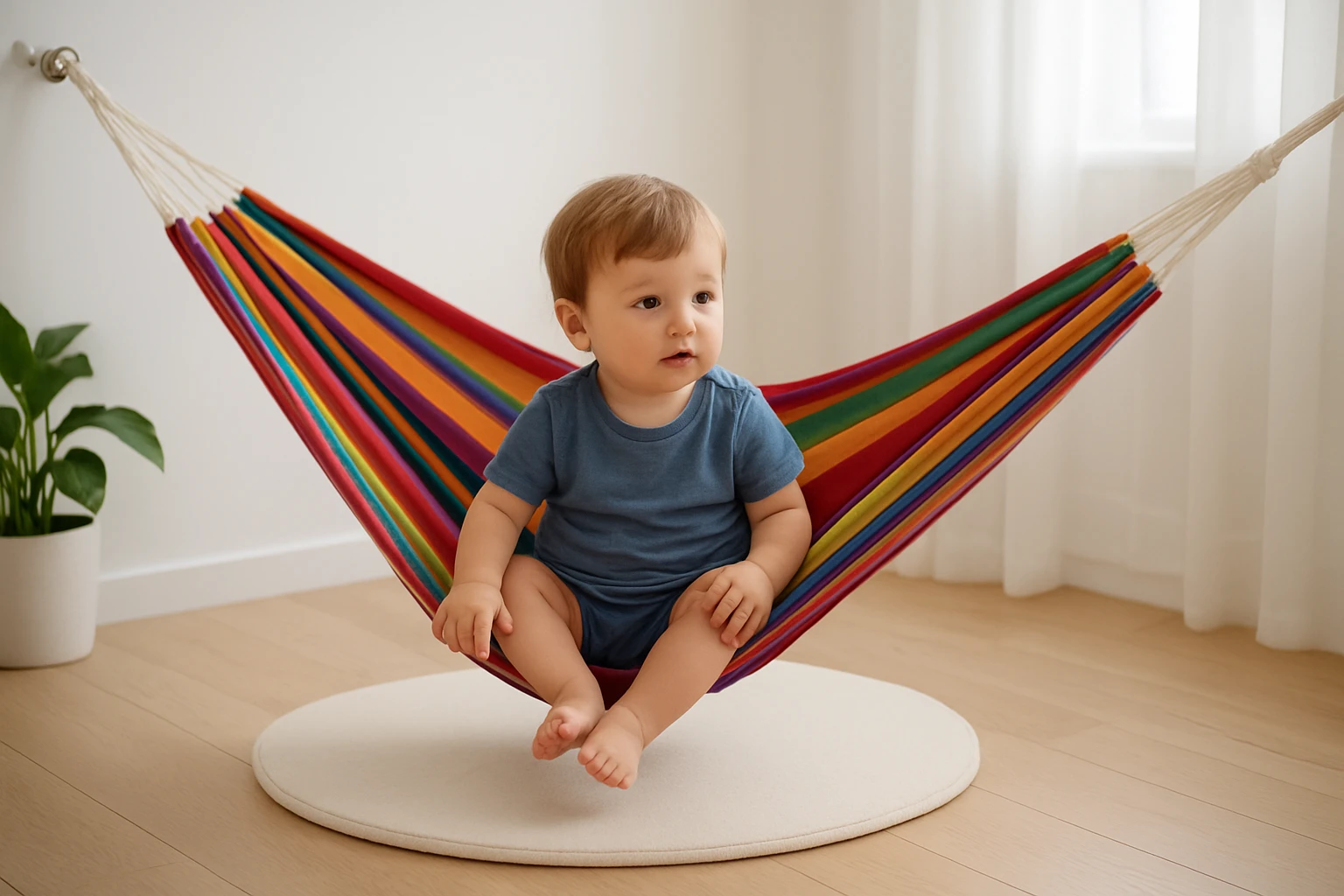
How to Set Up a Safe Hammock for Toddlers: Step‑by‑Step Guide, Safety Tips & Best Practices
The reader will learn how to select, install and maintain a hammock that is appropriate for toddlers. The guide emphasizes safety, durability and comfort. Each step includes practical instructions and product recommendations that act as tools rather than sales pitches. By following this guide, one can create a calming play space that supports sensory regulation and outdoor enjoyment.
What You’ll Need
Before beginning, gather the following items. A suitable hammock, mounting hardware, a sturdy ladder or step stool, a measuring tape, a level, and a pair of safety gloves are essential. The recommended products are listed below and can be purchased through the provided Amazon links.
- OUTREE Kids Pod Swing – $33.99, Rating 4.4/5 (7,293 reviews)
- Wise Owl Camping Hammock – $29.99, Rating 4.8/5 (54,398 reviews)
- INNO STAGE Brazilian Hammock – $29.89, Rating 4.6/5 (3,982 reviews)
- Heavy‑duty eye bolts or ceiling hooks rated for at least 150 lb
- Expansion bolts for concrete or wood screws, depending on the mounting surface
- Carabiners or reinforced nylon straps
- Safety gloves and a ladder
Step 1 – Choose a Secure Location
Select a location that can support the combined weight of the hammock and child. For indoor installations, a ceiling joist or sturdy beam is ideal; for outdoor use, a pair of healthy trees spaced 9‑12 feet apart works well. Verify that the mounting points can bear at least 150 lb to accommodate dynamic loads when the child swings. The OUTREE Kids Pod Swing is designed for both indoor ceilings and outdoor trees, making it a versatile choice for this step.
Why this product helps: The swing includes adjustable nylon belts and two types of screws (expansion bolt for concrete and wood screws), allowing secure attachment to a variety of surfaces. Its reinforced nylon edgings and double‑stitched seams increase safety, and the soft PVC cushion prevents mold, ensuring a hygienic environment for toddlers.
Step 2 – Select the Appropriate Hammock
Match the hammock type to the chosen location. The OUTREE Kids Pod Swing provides a cozy, enclosed pod that is ideal for indoor sensory play and can also be hung from a tree. If the goal is outdoor relaxation, the Wise Owl Camping Hammock offers parachute‑grade breathable nylon, a weight capacity of 500 lb, and compact packing for travel. For a single‑person indoor/outdoor setup that emphasizes comfort, the INNO STAGE Brazilian Hammock delivers a cotton‑polyester blend, a 242 lb capacity, and a portable carrying bag.
Why each product helps: The OUTREE swing’s soft cotton canvas creates a sensory‑friendly environment; the Wise Owl hammock’s lightweight design and tree straps simplify outdoor installation; the INNO STAGE hammock’s tightly woven fabric offers durability and a cocoon‑like feel for quiet reading or nap time.
Step 3 – Install Mounting Hardware
Mark the exact points where the hooks will be placed, using a level to ensure they are horizontal. Drill pilot holes that match the diameter of the expansion bolts or wood screws. Insert the hardware and tighten until it is flush with the surface. For ceiling installations, use heavy‑duty eye bolts rated for at least 150 lb; for trees, use the tree‑friendly straps supplied with the Wise Owl hammock or the adjustable nylon belt from the OUTREE swing.
Why this matters: Properly installed hardware distributes the load evenly and prevents the mounting point from failing. The OUTREE swing includes all necessary hardware, eliminating the need for separate purchases. The Wise Owl hammock’s tree straps are designed to protect bark while providing a secure anchor, and the INNO STAGE hammock’s included straps simplify setup on both indoor hooks and outdoor trees.
Step 4 – Attach the Hammock Securely
Thread the carabiners or nylon straps through the hammock’s attachment loops. Adjust the length so that the hammock sags about 12‑18 inches when empty, providing a gentle curve that is comfortable for a toddler. Tighten the straps using a tensioning knot or a ratchet strap if additional tension is required. Ensure that the attachment points are symmetrical to avoid uneven wear.
Product integration: The OUTREE Kids Pod Swing’s adjustable nylon belt allows fine‑tuning of height, preventing the swing from sliding lower over time. The Wise Owl Camping Hammock’s five separate loops enable precise height adjustment, while the INNO STAGE hammock’s strong 350 g rope joints maintain equal tension across all strings.
Step 5 – Test Load and Adjust
Before allowing a child to use the hammock, conduct a load test. Place a weighted bag or sandbag equivalent to the child’s weight plus an additional 20 % safety margin onto the hammock. Observe any movement in the mounting points and listen for creaking sounds. If any instability is detected, re‑tighten the hardware or reposition the hooks.
Why testing is essential: A load test verifies that the installation can handle dynamic forces generated when a toddler swings. The reinforced stitching of the OUTREE swing and the triple‑interlocking stitching of the Wise Owl hammock provide confidence that the fabric will not tear under load.
Step 6 – Maintain and Store the Hammock
Regularly inspect the hammock for wear, especially at seams and attachment loops. Clean the cotton canvas of the OUTREE swing with mild soap and air‑dry to prevent mold. The Wise Owl hammock is machine‑washable after removing carabiners; use a gentle cycle with cold water. The INNO STAGE hammock should be spot‑cleaned and stored in its carrying bag when not in use to protect the fabric from UV degradation.
Maintenance benefits: Routine care extends the lifespan of the hammock, maintains safety standards, and preserves the comfort of the material. The included air cushion of the OUTREE swing can be deflated for compact storage, while the Wise Owl’s lightweight design folds to the size of an eggplant for easy transport.
Tips & Pro Tips
- Always anchor to a structural element that can support at least double the expected load.
- Use a spirit level to ensure the hammock is perfectly horizontal; a tilted hammock can cause uneven stress.
- For indoor installations, place a soft rug or mat beneath the swing to cushion any accidental falls.
- When using tree straps, wrap a piece of cloth around the bark to prevent damage.
- Encourage the child to sit upright and keep feet on the ground until they develop confidence.
- Periodically tighten all knots and bolts, as vibrations can cause gradual loosening.
Troubleshooting
Problem: The swing continues to lower after each use.
Solution: Tie a knot in the adjustable nylon belt of the OUTREE swing to prevent slippage, or use a locking carabiner.
Problem: The hammock feels too stiff or does not sway.
Solution: Adjust the length of the straps to increase sag; a deeper curve creates a smoother swing motion.
Problem: The mounting hardware feels loose.
Solution: Replace expansion bolts with longer ones or reinforce the mounting point with a wooden board.
Conclusion
This guide has outlined how to select a toddler‑appropriate hammock, install it safely, test its load capacity, and maintain it for long‑term use. By following the step‑by‑step instructions and applying the safety tips, one can create a secure and enjoyable hanging space for toddlers. The recommended products provide reliable tools that simplify each phase of the process, yet the principles described apply regardless of the specific equipment chosen.
Products Mentioned in This Guide
Frequently Asked Questions
What age range is a toddler‑friendly hammock safe for?
Most toddler hammocks are designed for children aged 12 months to 4 years, but always check the manufacturer’s weight limit.
Which mounting hardware is required for a secure toddler hammock installation?
Use heavy‑duty steel straps or bolts with a weight rating of at least 150 lb, plus a level and a sturdy anchor point.
How far apart should the anchor points be when hanging a toddler hammock?
Space the anchors 4‑5 feet apart to allow a gentle sag without excessive tension.
What safety features should I look for when choosing a toddler hammock?
Look for breathable fabric, reinforced stitching, a low sag design, and a weight capacity that exceeds your child’s weight.
How often should I inspect a toddler hammock for wear and tear?
Inspect the fabric, seams, and hardware monthly, and replace any damaged parts immediately.