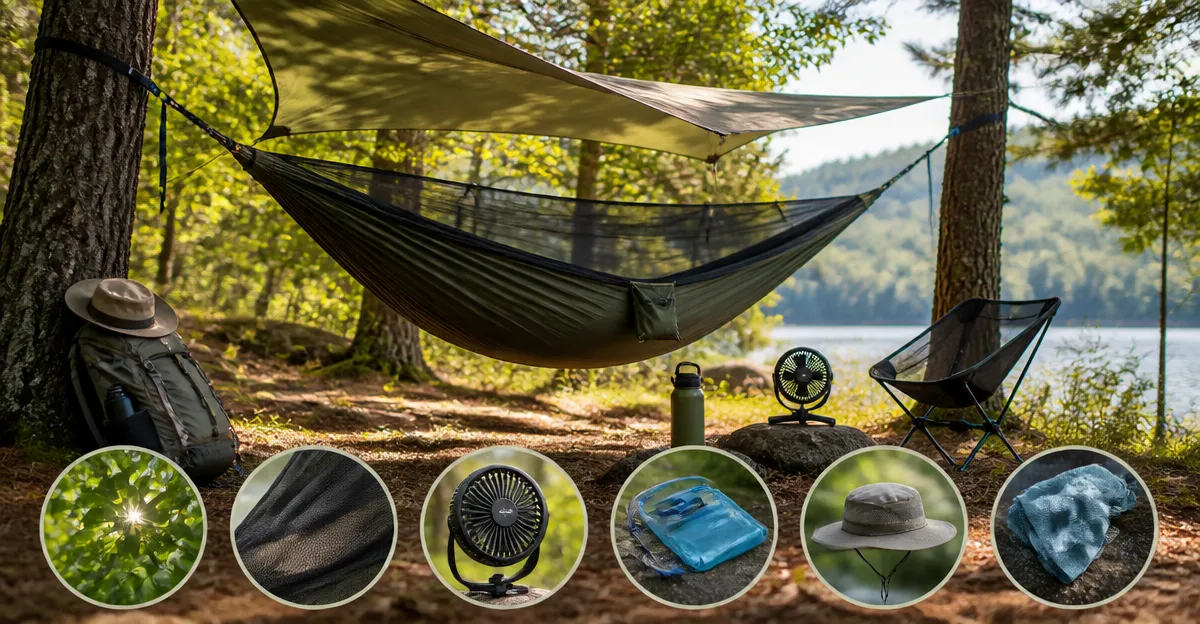
Introduction
Hammock camping offers unparalleled comfort, yet hot weather can quickly diminish that enjoyment. This guide explains how to maintain a cool micro‑climate while suspended between trees. Readers will learn about breathable fabrics, effective shade solutions, and accessories that enhance airflow. By the end, one will be equipped to camp comfortably even when temperatures soar.
Background
When a hammock is suspended, air circulates beneath the sleeping surface, creating a natural cooling effect. However, direct sunlight, humidity, and lack of ventilation can negate this benefit. Understanding the principles of heat transfer—conduction, convection, and radiation—helps in selecting gear that mitigates heat gain. Additionally, knowledge of tree‑friendly straps and proper hanging angles contributes to both safety and comfort.
Choosing a Cool‑Ready Hammock
The foundation of staying cool begins with the hammock itself. Materials such as 210T parachute nylon provide a balance of durability and breathability, allowing air to pass through while resisting tears. The SZHLUX Camping Hammock features this fabric and includes 10‑foot adjustable tree‑friendly straps with 18+1 loops, eliminating the need for knots and reducing heat buildup caused by tight fittings.
For campers who desire an integrated bug net and optional rain protection, the Sunyear Hammock Tent combines a 210T ripstop nylon hammock with a reversible net that shields against insects without compromising airflow. Its 32‑loop straps offer extensive adjustment points, enabling a higher hang that promotes better air circulation.
Travelers seeking a larger sleeping platform may consider the Kootek Double Hammock. With a 500 lb capacity and an unfolded size of 120" × 78", it provides ample space for two occupants while maintaining a breathable weave. The included 18+1 loop straps ensure a secure yet flexible setup.
Solo adventurers looking for a lightweight option can select the Kootek Single Hammock. Its 400 lb capacity and compact packed dimensions (8.3" × 4.7" × 4.7") make it ideal for backpacking where weight savings translate to cooler body temperature during exertion.
When rain protection is essential, the Sunyear Hammock with Rain Fly adds a waterproof tarp that can be rigged as a tent over the hammock. Although the rain fly adds some weight, the underlying hammock remains constructed from breathable 210T parachute nylon, preserving airflow while shielding from precipitation.
Shade and Ventilation Strategies
Even the most breathable hammock benefits from a well‑placed shade structure. A simple tarp anchored above the hammock creates a reflective barrier that reduces solar radiation by up to 70 %. When using the Sunyear Rain Fly, position the ridgeline at a 45‑degree angle to maximize shade without trapping heat.
Tree‑friendly straps with multiple loops allow the hammock to be hung higher, which encourages convection currents to draw warm air away. Aim for a clearance of at least 4 feet above the ground; this distance permits cooler air to settle beneath the sleeping surface.
Orient the hammock perpendicular to prevailing winds whenever possible. This alignment channels breezes directly through the fabric, accelerating evaporative cooling. In still conditions, a small portable fan powered by a USB power bank can supplement natural airflow.
Finally, consider reflective ground sheets placed beneath the hammock. By reflecting heat back upward, they prevent conductive heat transfer from the hot ground, preserving the cool micro‑climate created by the suspended hammock.
Cooling Accessories
Beyond the hammock, several accessories enhance comfort in hot weather. A lightweight, moisture‑wicking sleeping pad can be placed underneath the hammock to absorb sweat and provide an additional barrier against heat. Look for pads made from closed‑cell foam or inflatable designs with reflective surfaces.
Cooling towels, such as those made from hyper‑absorbent microfiber, can be soaked in water and draped over the neck or forehead. As the water evaporates, it draws heat away from the body, offering immediate relief during the hottest part of the day.
Portable misting fans, powered by rechargeable batteries, create a fine spray that lowers ambient temperature through evaporative cooling. When paired with a hammock that already promotes airflow, the combined effect can reduce perceived temperature by several degrees.
Lastly, sun‑protective clothing made from UPF‑rated fabrics reduces direct skin exposure, decreasing overall heat gain. Light‑colored, loose‑fitting garments are especially effective when combined with a breathable hammock system.
Comparison and Selection Guide
| Feature | SZHLUX Camping Hammock | Sunyear Hammock Tent | Kootek Double Hammock | Kootek Single Hammock | Sunyear Hammock with Rain Fly |
|---|---|---|---|---|---|
| Material | 210T parachute fabric | 210T ripstop nylon + bug net | 210T parachute nylon | 210T parachute nylon | 210T parachute nylon + waterproof tarp |
| Weight (packed) | 1.8 lb | ~2.5 lb (incl. net) | 1.8 lb | 1.8 lb | ~3.2 lb |
| Capacity | 400 lb (double) | 500 lb (double) / 600 lb (single) | 500 lb | 400 lb | 500 lb |
| Dimensions (unfolded) | 106.3" × 55.1" | Single 55" × 106"; Double 78" × 118" | 120" × 78" | 105" × 54" | Double size similar to Kootek Double |
| Price | $14.99 | $23.99 | $24.99 | $13.99 | $59.99 |
| Rating | 4.7/5 (4,389 reviews) | 4.6/5 (6,821 reviews) | 4.7/5 (31,294 reviews) | 4.7/5 (31,294 reviews) | 4.6/5 (641 reviews) |
For pure portability and budget, the SZHLUX Camping Hammock delivers excellent breathability at a low price point. If a bug net is essential, the Sunyear Hammock Tent adds protection without sacrificing airflow. Campers who require extra space or plan to share the hammock should prioritize the Kootek Double Hammock or the Sunyear Hammock with Rain Fly, the latter offering rain protection for unpredictable weather.
Best Practices & Tips
- Hang the hammock at a 30‑45° angle to promote optimal airflow and reduce sag.
- Use the 18+1 loop straps to fine‑tune height; higher hangs increase convection.
- Deploy a reflective tarp or rain fly overhead to block direct sunlight while maintaining ventilation.
- Place a reflective ground sheet beneath the hammock to prevent conductive heat from the earth.
- Dress in light, moisture‑wicking clothing and consider a wide‑brim hat for additional shade.
- Stay hydrated; sip water regularly and use a cooling towel during midday heat spikes.
- Inspect tree straps for wear before each trip; damaged straps can cause uneven tension and heat pockets.
FAQ
What is the best fabric for a hot‑weather hammock?
210T parachute nylon and ripstop nylon are ideal because they combine strength with a porous weave that allows air to pass through, reducing heat buildup.
Do tree‑friendly straps affect cooling?
Yes. Straps with multiple adjustment loops let you raise the hammock higher, which enhances convection currents and improves overall cooling.
Can I use a rain fly in hot weather?
Absolutely, provided the rain fly is set up to allow airflow. A tent‑style configuration with vents or a raised ridgeline prevents heat from becoming trapped.
How much weight can I add to a hammock without compromising cooling?
Adding gear such as a sleeping pad or gear bag should stay within the hammock’s rated capacity. Excess weight compresses the fabric, reducing its breathability.
Is it safe to use a portable fan while hammock camping?
Portable USB‑powered fans are safe when used with a stable power source. Ensure the fan is positioned away from the fabric to avoid moisture buildup.
How do I prevent my hammock from sagging in the heat?
Maintain proper tension using the adjustable straps and avoid over‑loading. A higher hang angle also reduces sag and improves airflow.
What maintenance is required for nylon hammocks?
After exposure to moisture, hang the hammock to air‑dry completely. Spot‑clean with mild soap; avoid machine washing unless the product specifies it is safe.
Conclusion
Staying cool while hammock camping is achievable through a combination of breathable materials, strategic hanging techniques, and thoughtful accessories. Selecting a hammock that balances weight, capacity, and ventilation—such as the SZHLUX Camping Hammock or the Sunyear Hammock Tent—provides a solid foundation. Complementary shade structures, cooling gear, and proper maintenance complete the system, allowing adventurers to enjoy comfortable nights even under scorching skies.
Products Featured in This Guide
SZHLUX Camping Hammock
Price: $14.99 | Rating: 4.7/5 (4,389 reviews)
Featured for its lightweight 210T parachute fabric, adjustable 10‑ft tree‑friendly straps, and excellent value for solo or double use.
Sunyear Hammock Tent
Price: $23.99 | Rating: 4.6/5 (6,821 reviews)
Includes a bug‑net, 32‑loop straps, and rapid 2‑minute setup, making it ideal for hot climates where insects and shade are concerns.
Kootek Double Hammock
Price: $24.99 | Rating: 4.7/5 (31,294 reviews)
Provides a spacious 120" × 78" platform with 500 lb capacity, perfect for couples or extra‑room needs in warm environments.
Kootek Single Hammock
Price: $13.99 | Rating: 4.7/5 (31,294 reviews)
Lightweight single‑person option with 400 lb capacity, ideal for backpackers seeking maximum cooling and minimal pack weight.
Sunyear Hammock with Rain Fly
Price: $59.99 | Rating: 4.6/5 (641 reviews)
Combines a breathable 210T parachute hammock with a waterproof rain fly, delivering comprehensive protection while maintaining airflow for hot‑weather use.
Frequently Asked Questions
What hammock materials are best for staying cool in hot weather?
Lightweight, breathable fabrics like 210T parachute nylon allow airflow while providing durability and tear resistance.
How does the hanging angle affect temperature in a hammock?
A steeper angle (around 30‑45°) raises the hammock off the ground, improving airflow underneath and reducing heat buildup.
What simple shade solutions can keep a hammock camp cool?
Using a tarp, sunshade, or a reflective canopy creates shade and blocks radiant heat, dramatically lowering the sleeping temperature.
Which accessories help increase ventilation while hammock camping?
Mesh bug nets, breathable sleeping pads, and vented hammocks promote convection and keep moisture from trapping heat.
Why are tree‑friendly straps important for comfortable hammock camping?
They distribute weight evenly, prevent rope burn, and allow you to position the hammock for optimal airflow without damaging the trees.