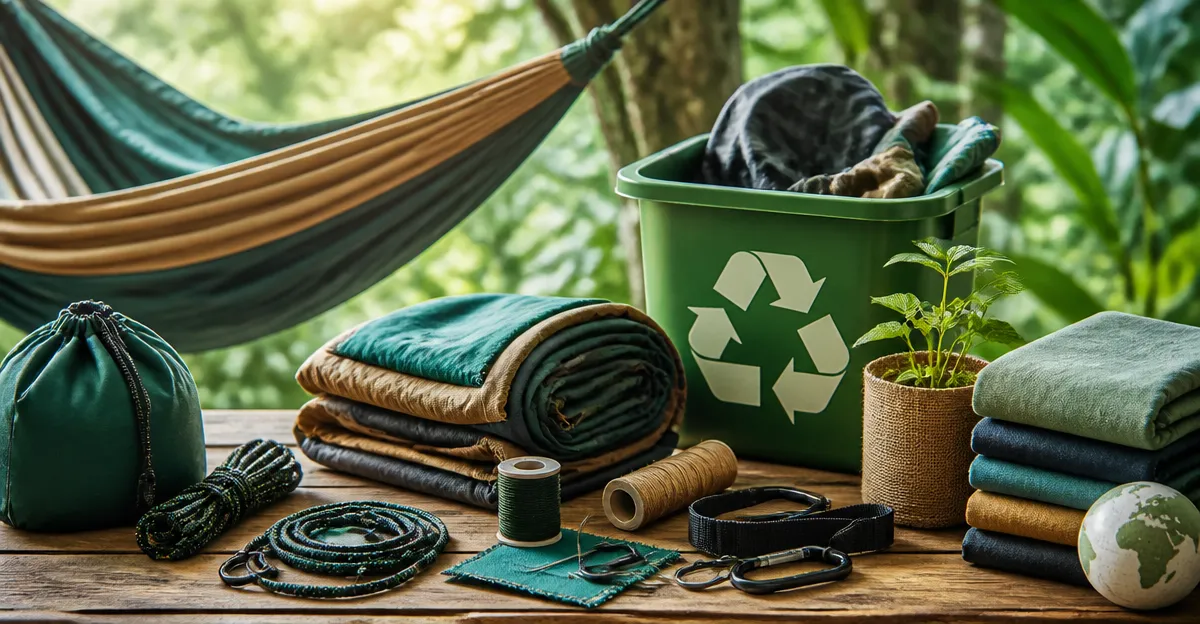
How to Recycle Old Hammock Gear: The Ultimate Eco‑Friendly Guide to Repair, Upcycle & Dispose
Introduction
The modern consumer often replaces outdoor leisure items without considering the environmental impact of discarded material. This guide explains how to evaluate, repair, upcycle, and responsibly dispose of worn hammocks while minimizing waste. Readers will learn practical techniques, sustainable alternatives, and product recommendations that align with eco‑friendly values. By following these steps, one can extend the lifespan of hammock gear and contribute to a circular economy.
Background and Context
Hammocks are traditionally crafted from natural fibers such as cotton or synthetic blends designed for durability outdoors. Over time, exposure to sunlight, moisture, and repeated load cycles can degrade fabric, hardware, and supporting structures. Understanding the material composition of a hammock is essential for selecting appropriate repair methods and recycling pathways. For example, 100 % USA‑sourced cotton can be repurposed into textile projects, whereas polyester‑based fabrics may require specialized recycling facilities.
Assessing the Condition of Old Hammocks
Before undertaking any intervention, one should perform a thorough inspection. The assessment includes checking for frayed seams, broken knots, rusted hardware, and loss of tensile strength. Use a ruler to measure the remaining usable length and a weight test to confirm load capacity. Document findings in a checklist to prioritize actions such as repair, upcycling, or disposal.
Inspection Checklist
- Visual inspection of fabric for holes, discoloration, or thinning.
- Examination of suspension ropes or straps for wear and corrosion.
- Verification of stand or spreader bar integrity.
- Load test with a calibrated weight not exceeding the original rating.
Repairing Common Issues
Many minor defects can be resolved with simple tools and materials, extending the hammock's service life. Sewing reinforced stitches into torn fabric restores tensile strength, while replacing rusted hooks prevents sudden failure. For cotton hammocks, a heavy‑duty fabric glue can seal small abrasions without compromising breathability.
When repairing a double‑size hammock, consider using UV‑resistant thread to counteract future sun damage. If the stand is steel, a rust‑inhibiting primer followed by a protective paint coat will preserve structural integrity. The following table summarizes repair techniques matched to typical problems.
| Problem | Recommended Repair | Materials Needed |
|---|---|---|
| Fabric tear | Sew reinforced stitch | UV‑resistant thread, heavy‑duty needle |
| Rope fraying | Splice and knot | Polyester rope, heat‑shrink tubing |
| Rusty hardware | Replace or treat | Stainless‑steel hooks, rust‑inhibitor |
| Worn stand | Repaint and reinforce | Primer, outdoor‑grade paint |
Upcycling Ideas for Hammock Materials
When a hammock no longer meets safety standards, its components can be transformed into useful household items. Cotton fabric lends itself to cushion covers, tote bags, or decorative wall hangings. Polyester rope can become sturdy plant‑support ties, pet leashes, or reclaimed rope baskets.
Creative upcycling not only reduces landfill waste but also provides unique, personalized décor. For instance, cutting a double‑size hammock into two rectangular panels yields ample material for a set of matching outdoor pillows. Adding a zippered closure creates a weather‑proof storage sack for gardening tools.
Step‑by‑Step Upcycle Project: Hammock Pillow
- Measure and cut two 20" × 20" squares from the hammock fabric.
- Sew three sides together using a double‑stitch for durability.
- Insert a polyester stuffing pillow that matches the original hammock’s comfort level.
- Close the remaining side with a hidden zipper for easy cleaning.
The resulting pillow retains the original color and texture, providing a sustainable accent for patio furniture.
Eco‑Friendly Disposal Options
If repair or upcycling is not feasible, responsible disposal is the final option. Many municipalities accept textile donations for recycling programs that convert fibers into insulation or industrial rags. Polyester‑blended hammocks may be accepted by specialized plastic recycling centers that separate synthetic fibers for repurposing.
Before discarding, contact local waste management services to confirm accepted materials and any preparation requirements, such as removing metal hardware. Donating still‑usable hammocks to community gardens, schools, or outdoor recreation programs can also extend their useful life.
Comparison and Selection Guide
Choosing a replacement hammock that aligns with sustainability goals requires evaluating material durability, weight capacity, and ease of maintenance. The following comparison highlights two highly rated options currently available on Amazon.
| Feature | Vivere Double Cotton Hammock | CHULIM Double Quilted Hammock |
|---|---|---|
| Material | 100 % USA‑sourced cotton | Three‑layer polyester quilted fabric |
| Dimensions | 63" × 94" bed, 130" total length | 78.7" × 55" bed, 142" ring‑to‑ring |
| Weight Capacity | 450 lb | 450 lb |
| Stand Included | Yes, steel stand | No (stand sold separately) |
| Rating (Reviews) | 4.8/5 (34,395 reviews) | 4.5/5 (351 reviews) |
| Price | $119.99 | Price not listed |
For users who value natural fibers and an integrated stand, the Vivere Double Cotton Hammock offers superior comfort and a complete setup. Those seeking a weather‑resistant, quilted surface with built‑in storage pockets may prefer the CHULIM Double Quilted Hammock, especially for outdoor patios where moisture resistance is critical.
Best Practices & Tips
- Rotate hammock orientation seasonally to distribute wear evenly.
- Apply a fabric protector spray that is safe for cotton or polyester to extend UV resistance.
- Store hammocks in a dry, shaded area during off‑season months to prevent mildew growth.
- Maintain hardware by tightening bolts and replacing corroded components promptly.
- Document repair steps with photos for future reference or community sharing.
Frequently Asked Questions
- Can I recycle a cotton hammock at a regular textile recycling bin?
- Many municipal programs accept 100 % cotton fabrics, but it is advisable to verify that the material has not been blended with synthetic fibers.
- Is it safe to use a repaired hammock for the original weight rating?
- If repairs follow manufacturer‑recommended methods and use appropriate thread or hardware, the original rating can generally be maintained.
- What is the most eco‑friendly way to dispose of a steel stand?
- Steel is highly recyclable; contact a local scrap metal recycler to ensure the stand is processed rather than landfilled.
- How often should I replace the suspension ropes?
- Ropes should be inspected annually and replaced when signs of fraying, UV bleaching, or loss of elasticity appear.
- Can I donate a partially damaged hammock?
- Yes, many community organizations accept damaged hammocks for repair workshops or educational projects.
Conclusion
This guide has outlined a systematic approach to assessing, repairing, upcycling, and responsibly disposing of old hammock gear. By applying the recommended techniques, one can reduce waste, save money, and support a sustainable outdoor lifestyle. Selecting a durable replacement such as the Vivere Double Cotton Hammock or the CHULIM Double Quilted Hammock further reinforces eco‑friendly practices. Continued stewardship of hammock materials contributes to a healthier planet for future generations.
Products Featured in This Guide
Vivere Double Cotton Hammock
Price: $119.99
Rating: 4.8/5.0 (34,395 reviews)
Featured because it provides a natural‑cotton surface, includes a sturdy steel stand, and exemplifies a high‑quality, repair‑friendly design.
CHULIM Double Quilted Hammock
Rating: 4.5/5.0 (351 reviews)
Featured because its quilted polyester construction offers superior weather resistance and built‑in storage pockets, making it ideal for outdoor upcycling projects.