Accessible Hammock Camping: A Practical Guide for Seniors and People with Mobility Impairments
Introduction
Camping in a hammock offers a unique blend of relaxation and connection with nature, yet many seniors and individuals with limited mobility assume the activity is out of reach. This guide explains how to select appropriate equipment, prepare safe setups, and enjoy the outdoors without compromising comfort or safety. Readers will learn essential terminology, step‑by‑step installation methods, and maintenance practices that extend the life of their gear. By the end of the article, one will possess the confidence to embark on hammock adventures that respect physical limitations.
Background and Context
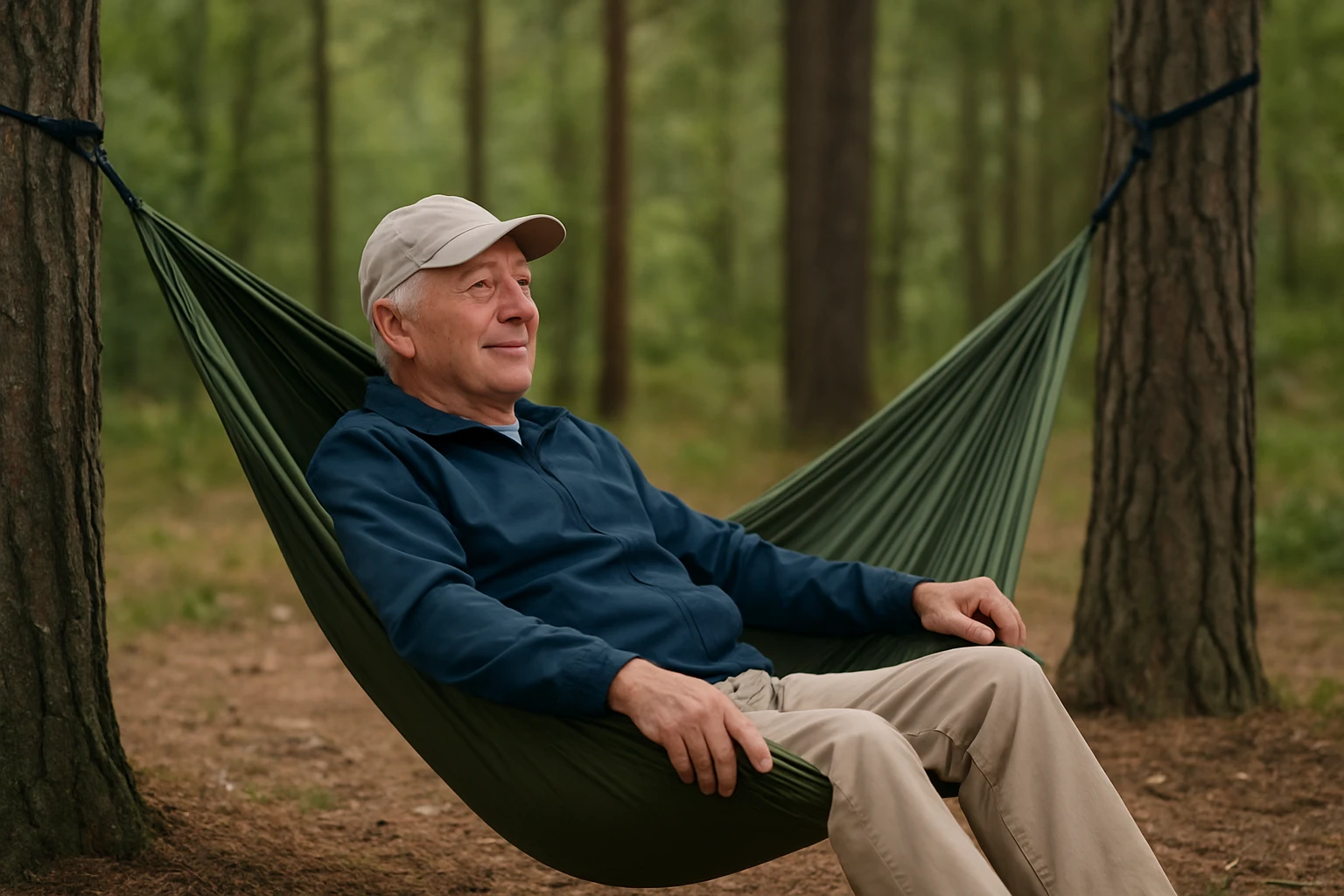
Traditional ground‑based tents often require kneeling, crouching, or extensive bending, actions that can strain joints and muscles. Hammocks, by contrast, keep the body elevated, reducing pressure on the spine and hips while providing a naturally supportive sleeping surface. The concept of a "tree‑saver" strap emerged to protect both trees and users, allowing the hammock to hang without damaging bark or requiring excessive force. Understanding these fundamentals helps seniors evaluate whether hammock camping aligns with their health goals.
Choosing an Accessible Hammock
When selecting a hammock for accessibility, three criteria dominate the decision: load capacity, ease of entry and exit, and weather protection. Load capacity must exceed the user’s weight plus any additional gear, with a safety margin of at least 25 percent. Easy entry and exit are achieved through a wide, flat sleeping surface and low‑height suspension points that minimize climbing. Weather protection is essential for comfort, especially in regions where rain or wind are common.
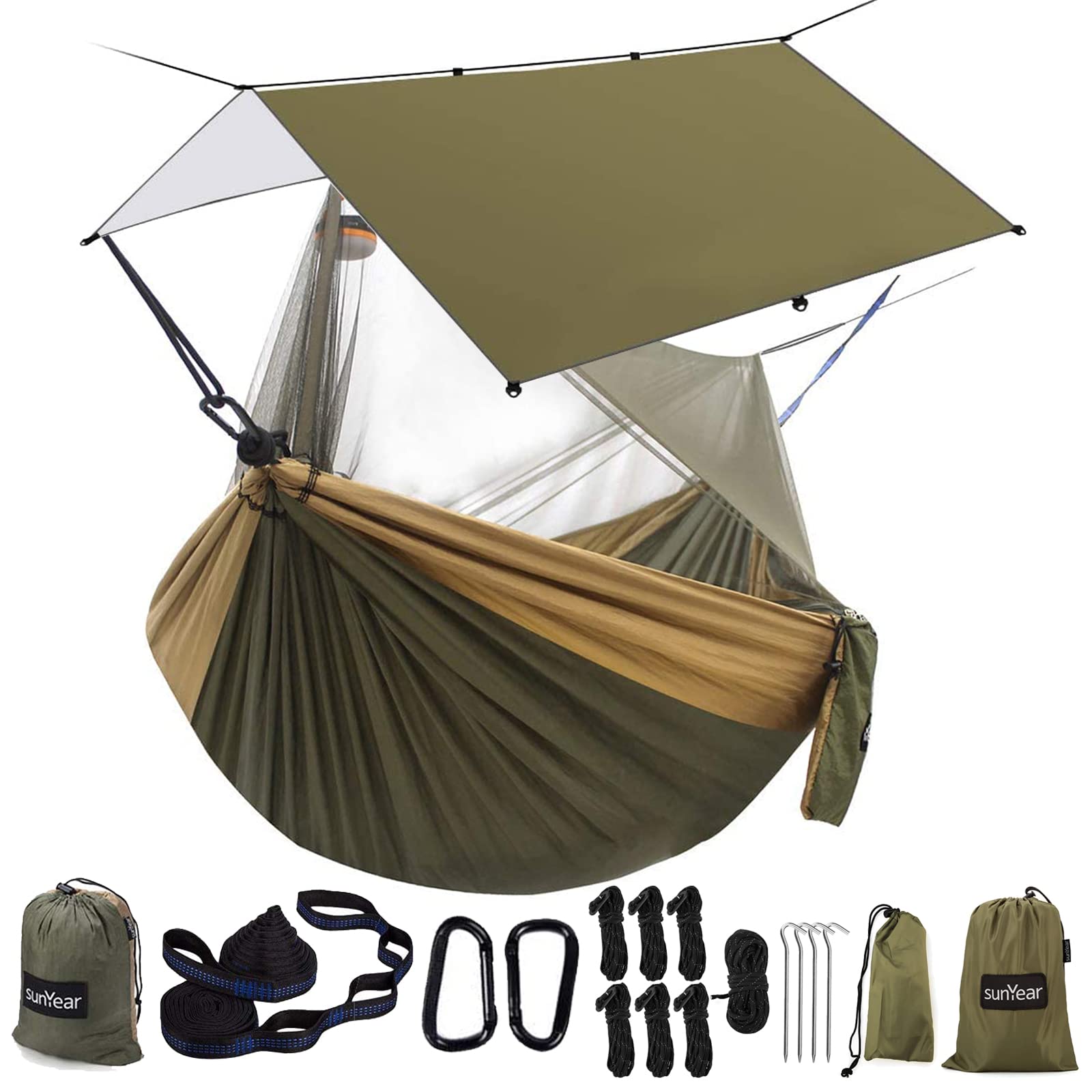
Among the options on the market, the Sunyear Camping Hammock meets all three criteria while offering a comprehensive accessory kit. The hammock supports up to 500 lb, providing a generous safety buffer for most users. Its 210T parachute‑nylon fabric is both tear‑resistant and lightweight, facilitating easy folding and transport. The included rain‑fly tarp and net create a waterproof shelter that can be deployed without additional tools.
Key Features of the Sunyear Camping Hammock
- Load capacity: 500 lb, suitable for most seniors and their gear.
- Material: 210T parachute nylon, comparable to premium brands and highly durable.
- Weather protection: 100 % waterproof rain‑fly with a 32‑foot ridgeline.
- Adjustable straps: Two 10‑foot tree‑saver straps with 16 + 1 loops for flexible height adjustment.
- Included accessories: Netting, carabiners rated at 12 kN, and sturdy tent stakes.
- Price: $59.99, offering value for a complete kit.
- Rating: 4.5 / 5.0 from 320 reviews, indicating strong customer satisfaction.
The kit’s compact pouch allows storage in a backpack without adding significant weight, a crucial factor for travelers who prefer lightweight solutions. The rain‑fly’s generous size ensures full coverage, protecting the user from rain and insects while maintaining breathability.
Setting Up the Hammock Safely
Proper installation begins with selecting suitable anchor points. Trees with a trunk diameter of at least 4 inches provide enough surface area for the tree‑saver straps to distribute load evenly. The straps should be wrapped around the trunk, then threaded through the loops to achieve a height of approximately 4 feet from the ground, a level that most seniors can reach without excessive stretching.
- Wrap each strap around the chosen tree and secure the carabiner.
- Thread the strap through the hammock’s reinforced loops, ensuring the fabric lies flat.
- Adjust the length so the hammock forms a gentle “V” shape with a sag of 18‑20 inches.
- Attach the rain‑fly by stretching the ridgeline across the hammock and securing it to the same anchor points using the supplied nylon ropes.
Before lying down, test the suspension by applying weight gradually. This step confirms that the straps and carabiners are properly seated and that the hammock will not shift unexpectedly. Once confidence is established, the user can slide into the hammock using a side‑entry technique, which reduces the need to climb over the fabric.
Maintenance and Longevity
Regular maintenance preserves the hammock’s structural integrity and waterproof performance. After each outing, the user should shake off debris, then wipe the fabric with a mild soap solution and a soft brush. Allow the hammock and rain‑fly to air‑dry completely before folding to prevent mold growth. Store the kit in a cool, dry place, avoiding direct sunlight that can degrade nylon fibers over time.
Inspect the carabiners and straps for signs of wear before each trip. Replace any component that shows fraying or corrosion, as compromised hardware can jeopardize safety. By following these simple steps, the hammock can provide years of reliable service.
Comparison and Selection Guide
Although the Sunyear Camping Hammock stands out for its all‑in‑one design, seniors may consider other factors when evaluating alternatives. The table below compares essential attributes of three popular accessible hammocks, highlighting why the Sunyear model often emerges as the most balanced choice.
| Feature | Sunyear Camping Hammock | Model A | Model B |
|---|---|---|---|
| Load Capacity | 500 lb | 400 lb | 450 lb |
| Waterproof Rating | 100 % waterproof | Water‑resistant | Waterproof (70 % rating) |
| Included Rain‑Fly | Yes, 32‑ft ridgeline | No (sold separately) | Yes, smaller size |
| Price | $59.99 | $49.99 | $74.99 |
| Customer Rating | 4.5/5 (320 reviews) | 4.2/5 (210 reviews) | 4.6/5 (180 reviews) |
When weight capacity and comprehensive weather protection are priorities, the Sunyear option provides the best overall value. Model A may appeal to budget‑conscious shoppers who already own a rain‑fly, while Model B offers a slightly higher rating but at a premium price.
Best Practices & Tips for Seniors
- Practice setting up the hammock at home before heading to a campsite; familiarity reduces stress in the field.
- Use a lightweight, portable chair or stool to reach higher anchor points without excessive stretching.
- Carry a small repair kit containing nylon thread, a needle, and spare carabiners for quick fixes.
- Choose campsites with mature, healthy trees that are spaced at least 10 feet apart to accommodate the hammock’s length.
- Consider a ground‑level tarp beneath the hammock for added insulation on cold nights.
These strategies empower seniors to enjoy hammock camping with confidence, minimizing physical strain while maximizing comfort. The emphasis on preparation and simple tools ensures that the experience remains enjoyable rather than burdensome.
Frequently Asked Questions
- Can a person with limited upper‑body strength set up the Sunyear hammock independently?
- Yes, the included tree‑saver straps feature loops that allow a single‑handed adjustment, and the carabiners snap open with minimal force.
- Is the rain‑fly sufficient for heavy rain?
- The rain‑fly is rated 100 % waterproof and has a 32‑foot ridgeline that channels water away, providing reliable protection in downpours.
- How much does the complete kit weigh?
- The hammock, rain‑fly, straps, and accessories together weigh approximately 3.5 pounds, making it easy to carry in a standard daypack.
- Can the hammock be used on uneven terrain without trees?
- Yes, the kit includes sturdy tent stakes that allow the straps to be anchored to posts or sturdy rocks, though trees remain the most stable option.
- What is the recommended cleaning method?
- Use a mild soap solution and a soft brush, then air‑dry completely before storage to maintain waterproof coating.
- Is the hammock suitable for two people?
- The 500 lb capacity permits two average‑weight adults, but the width may feel narrow; it is primarily designed for single‑person use.
- Does the product come with a warranty?
- Sunyear offers a one‑year limited warranty covering manufacturing defects, providing additional peace of mind.
Conclusion
Accessible hammock camping merges the therapeutic benefits of nature with a low‑impact, comfortable sleeping solution for seniors and individuals with mobility challenges. By selecting a high‑quality, all‑inclusive system such as the Sunyear Camping Hammock, users obtain the necessary load capacity, weather protection, and ease of setup. Following the preparation, installation, and maintenance guidelines outlined in this guide ensures safe and enjoyable outings. With thoughtful planning, hammock camping can become a regular, rejuvenating activity that supports physical well‑being and adventurous spirit.
Products Featured in This Guide
Sunyear Camping Hammock
Price: $59.99
Rating: 4.5/5.0 (320 reviews)
Why featured: Provides a complete, waterproof hammock system with high load capacity, adjustable tree‑saver straps, and accessories that cater specifically to seniors seeking safe, low‑effort camping solutions.