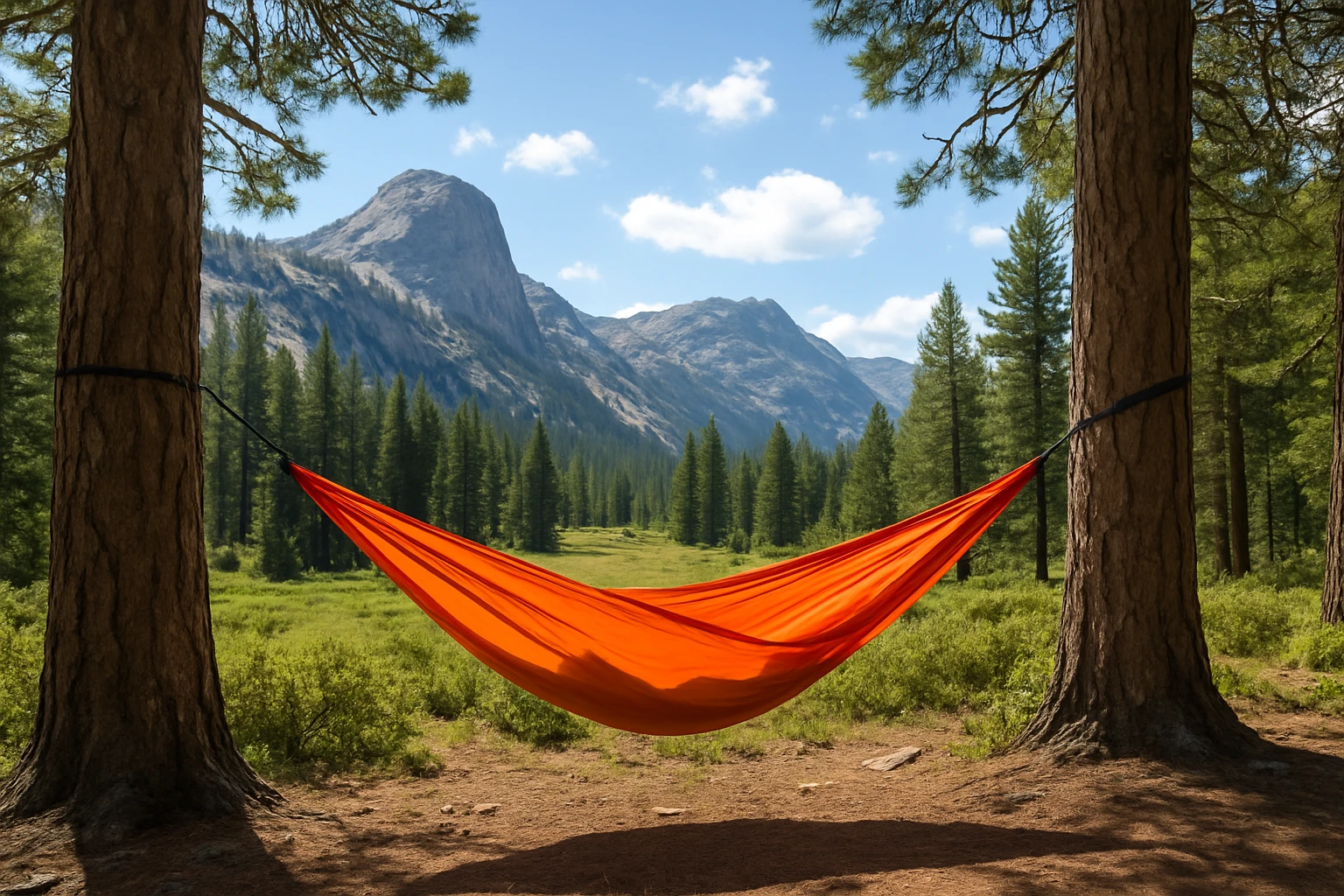
Are Hammocks Allowed in National Parks? The Ultimate Guide to Rules, Permits & Best Practices
Introduction
The desire to suspend oneself between two trees and gaze at a star‑filled sky has made hammocks a popular piece of gear for hikers, backpackers, and casual campers alike. Yet, not every public land manager treats a hammock the same way they treat a tent. This guide explains the regulatory landscape that governs hammock use in United States National Parks, outlines when permits are required, and offers practical advice for staying within the law while protecting the environment. Readers will also receive a curated selection of three highly‑rated hammocks that excel in weight, durability, and ease of setup, allowing them to make an informed purchase decision.
Background and Context
National Parks are administered by the National Park Service (NPS), a federal agency tasked with preserving natural and cultural resources for future generations. The NPS issues regulations that differ from those of the U.S. Forest Service, Bureau of Land Management, or state parks. Generally, the NPS distinguishes between "overnight" and "day‑use" activities, and hammocks can fall into either category depending on how they are employed.
Key concepts to understand include:
- Leave No Trace (LNT) principles – a set of ethical guidelines that minimize human impact on fragile ecosystems.
- Backcountry permits – many parks require a permit for any overnight stay, regardless of whether a tent or hammock is used.
- Tree protection – the use of straps instead of rope is encouraged to prevent bark damage.
By internalizing these concepts, visitors can enjoy hammocking while respecting park policies.
Regulatory Overview by Park Type
While each park publishes its own regulations, the following categories capture the majority of scenarios:
- Designated campgrounds – Most parks allow hammocks in established campgrounds, provided the user follows campsite rules and does not block trails.
- Backcountry sites – In wilderness zones, a backcountry permit is mandatory for any overnight stay. Some parks explicitly mention hammocks; others treat them as tents.
- Day‑use areas – Hammocks used for short rests (under four hours) are often permitted without a permit, but local signage must be obeyed.
- Protected habitats – Sensitive areas such as riparian zones, nesting sites, or alpine tundra may prohibit any hanging gear to protect flora and fauna.
For example, Yellowstone National Park requires a backcountry permit for any overnight use, and the permit form asks whether a tent or hammock will be used. In contrast, Acadia National Park allows hammocks in most campgrounds but prohibits them in designated bird‑nesting cliffs.
Key Considerations for Hammock Use
Before setting up a hammock, consider the following factors:
- Weight capacity – Ensure the hammock can support the combined weight of occupants and gear. A safety margin of at least 25% is advisable.
- Tree spacing – Measure the distance between potential anchor points; most double hammocks require 9‑12 feet of separation.
- Ground clearance – In rugged terrain, a higher clearance reduces the risk of snagging on rocks or roots.
- Insect protection – A built‑in net or separate mosquito net is essential in mosquito‑rich environments.
Products that excel in these areas are highlighted below.
Recommended Hammocks for National Park Adventures
When selecting a hammock for park use, prioritize durability, lightweight construction, and integrated tree‑friendly straps. The following three hammocks meet these criteria and have earned high customer ratings.
Covacure Lightweight Double Hammock
This model features 210T parachute‑nylon fabric that is tear‑resistant, breathable, and quick‑drying. It supports up to 772 lb, far exceeding the average two‑person load. The package includes two aluminum sand pegs, two iron carabiners, and six adjustable nylon loops, allowing rapid setup without knot‑tying. At 1.93 lb, it is one of the lightest double hammocks on the market, making it ideal for backpacking trips that require strict weight management. The integrated mosquito net offers smaller mesh holes for enhanced bug protection, and an inner pocket stores small items such as a headlamp or phone. Customer reviews average 4.5 / 5.0 from 5,412 reviewers, praising its comfort, durability, and compactness.
Wise Owl Camping Hammock
The Wise Owl option combines a 210T parachute‑grade nylon weave with a generous 10 ft × 6.5 ft footprint, comfortably accommodating two adults and gear. It holds up to 500 lb without sagging, thanks to triple‑stitched seams and reinforced straps. The all‑in‑one kit includes 9 ft tree straps, carabiners, and a built‑in stuff sack, enabling tool‑free setup in minutes. Weighing only 24 oz, it is ultra‑light for hikers who value pack efficiency. With a 4.8 / 5.0 rating from over 54,000 reviews, users frequently cite its ease of use, durability in harsh weather, and tree‑friendly strap system.
Sunyear Hammock with Net
Sunyear’s hammock is designed for both single and double configurations, using the same 210T parachute nylon as professional sky‑diving hammocks. It includes two 10 ft straps with 32 adjustment loops, heavy‑duty carabiners rated at 12 kN, and a detachable net that is twice as dense as comparable products. The net’s high‑density mesh offers superior insect protection, while the overall weight remains low enough for backpackers. Reviewers (4.6 / 5.0 from 6,754) appreciate the comprehensive tool kit, the spacious interior, and the reliable customer service that quickly replaces defective components.
Comparison and Selection Guide
| Feature | Covacure Lightweight Double | Wise Owl Camping | Sunyear Hammock with Net |
|---|---|---|---|
| Weight Capacity | 772 lb | 500 lb | 500 lb |
| Pack Weight | 1.93 lb | 0.75 lb (24 oz) | ~1.5 lb |
| Dimensions (unfolded) | 9.5 ft × 4.6 ft | 10 ft × 6.5 ft | 9.5 ft × 5 ft (single) / 9.5 ft × 9 ft (double) |
| Integrated Net | Yes, small‑mesh | No (separate net sold) | Yes, high‑density |
| Included Straps/Tree‑Straps | Aluminum pegs, nylon straps | 9 ft tree straps, 5‑loop system | 10 ft straps, 32 loops |
| Price (USD) | $24.99 | $29.99 | $29.99 |
| Average Rating | 4.5/5 (5,412 reviews) | 4.8/5 (54,273 reviews) | 4.6/5 (6,754 reviews) |
Choosing the right hammock depends on the visitor’s priorities. For maximum load capacity and built‑in bug protection, the Covacure model excels. For ultra‑light backpacking where every ounce matters, Wise Owl’s lightweight design is preferable. If a comprehensive tool kit and a high‑density net are essential, Sunyear offers the most complete package.
Best Practices & Tips for Hammocking in National Parks
- Check park‑specific regulations before arrival. Many parks publish a “Camping & Backcountry” page that lists hammock policies.
- Obtain a backcountry permit when required. Permit applications often ask for the type of shelter; be honest to avoid fines.
- Use tree‑friendly straps. Nylon webbing distributes weight and prevents bark abrasion. Never wrap rope directly around a tree.
- Set up at least 30 feet from water sources. This protects riparian vegetation and reduces the risk of contaminating drinking water.
- Leave no trace. Pack out all trash, remove all hardware, and if you disturb vegetation, replace it to its original state.
- Respect wildlife. Do not hang hammocks over animal trails or nesting sites. Observe seasonal closures.
- Practice quick‑release techniques. In windy conditions, a hammock can act as a sail; be prepared to detach safely.
By adhering to these guidelines, hammock users contribute to the preservation of the park’s natural integrity while enjoying a comfortable night under the canopy.
Frequently Asked Questions
- Do I need a permit to sleep in a hammock? If you are staying overnight in a backcountry zone, a backcountry permit is required regardless of shelter type. Day‑use areas typically do not require a permit.
- Can I use a hammock in a designated campsite? Most campgrounds allow hammocks as long as you follow campsite rules, keep the hammock within the site boundary, and do not block pathways.
- What if the park does not allow hammocks? Respect the regulation and opt for a ground‑level tent or bivy sack. Violating rules can result in fines and damage to the ecosystem.
- Are tree straps mandatory? While not always legally required, the NPS strongly recommends straps to protect trees. Some parks may enforce the use of straps in sensitive areas.
- How do I protect against insects without a net? Use a bug‑repellent spray, wear long sleeves, and choose a hammock with a dense weave. However, a dedicated net offers the most reliable protection.
- Is it safe to leave a hammock unattended? In high‑traffic parks, it is best to take the hammock down when not in use to prevent accidental damage or theft.
- Can I hang a hammock on rocks? No. Hammocks must be anchored to trees or approved posts. Anchoring to rocks can cause damage and is often prohibited.
Conclusion
Hammocks provide a lightweight, comfortable alternative to traditional tents, but their use in National Parks is governed by a combination of federal regulations, park‑specific rules, and ethical considerations. By securing the appropriate permits, employing tree‑friendly straps, and respecting Leave No Trace principles, adventurers can enjoy the serenity of a suspended perch without compromising the integrity of the protected lands. The three featured hammocks—Covacure Lightweight Double, Wise Owl Camping, and Sunyear Hammock with Net—represent a spectrum of capacity, weight, and accessory options, ensuring that every reader can find a model that aligns with their specific park‑visiting goals.
Products Featured in This Guide
Covacure Lightweight Double Hammock
Price: $24.99 | Rating: 4.5/5 (5,412 reviews)
Featured for its high 772 lb weight capacity, ultra‑light 1.93 lb pack weight, and integrated mosquito net that enhances comfort in bug‑heavy environments.
Wise Owl Camping Hammock
Price: $29.99 | Rating: 4.8/5 (54,273 reviews)
Featured for its lightweight 24 oz design, spacious 10 ft × 6.5 ft double layout, and all‑in‑one tree‑strap kit that simplifies setup in backcountry settings.
Sunyear Hammock with Net
Price: $29.99 | Rating: 4.6/5 (6,754 reviews)
Featured for its comprehensive tool kit, high‑density mosquito net, and robust 210T parachute nylon that matches the durability of professional sky‑diving gear.