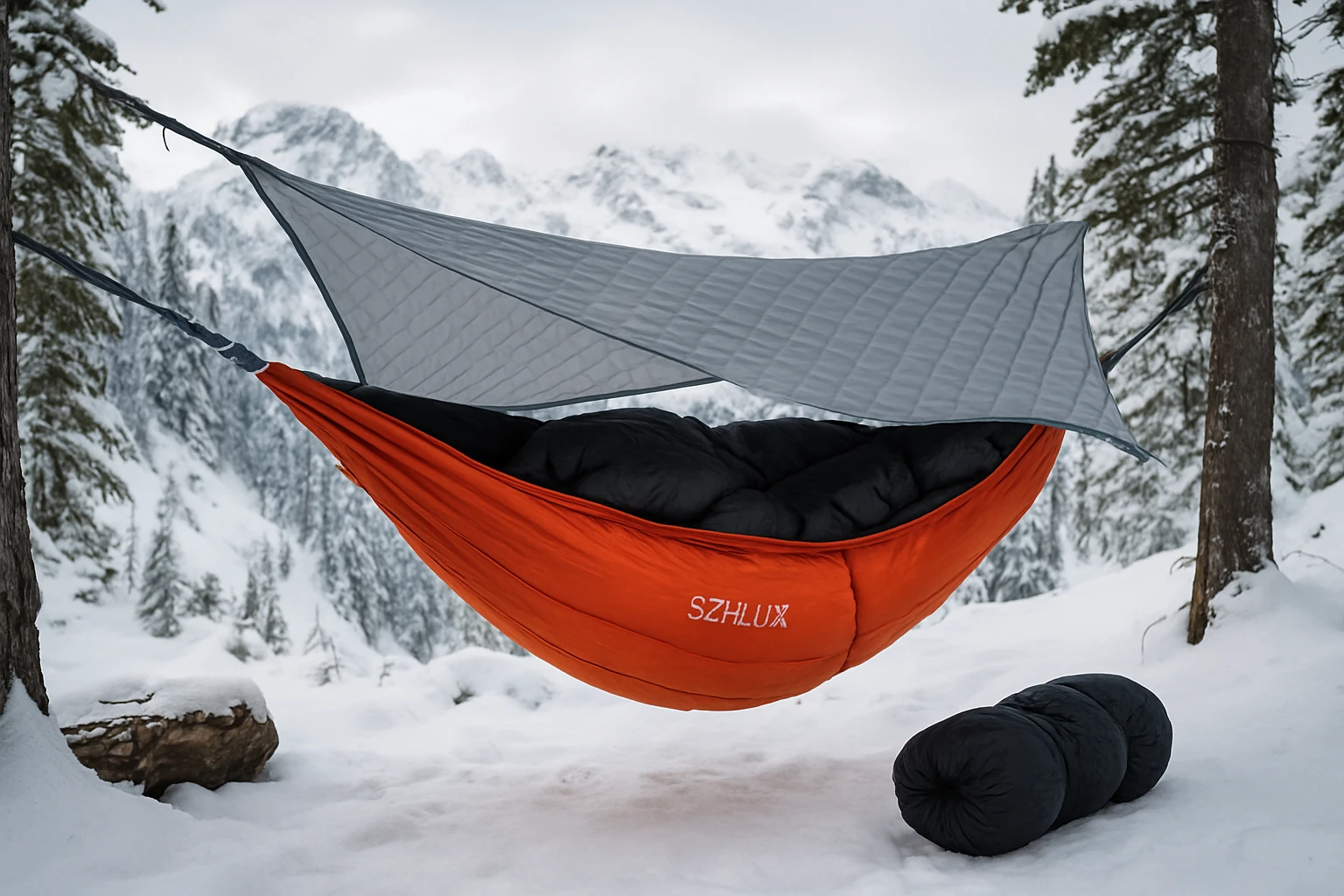

Four-Season Alpine Hammock Setup: The Ultimate Guide to High-Altitude, Cold-Weather Camping
Introduction
Camping at altitude during winter demands meticulous preparation, especially when the chosen shelter is a hammock. This guide explains how to select a suitable hammock, configure insulation layers, secure anchors on snow‑covered trees, and stay warm throughout the night. Readers will learn the science behind heat retention, practical setup techniques, and product recommendations that enhance safety without compromising weight limits.
By the end of this article, one will be able to assemble a reliable four‑season hammock system, evaluate alternative options, and apply best‑practice tips that seasoned alpinists trust.
Background and Context
Traditional tents provide walls that block wind, yet they add bulk and weight. Hammocks, when combined with proper insulation, can outperform tents in windy, snowy environments because the suspended design prevents snow accumulation and allows cold air to flow beneath rather than compressing the occupant. The key concepts include thermal dead‑air space, moisture management, and anchor integrity on frozen or bark‑less trees.
Understanding the relationship between ambient temperature, wind chill, and the human body’s heat loss mechanisms is essential. In high‑altitude settings, the air is thinner, reducing convective heat loss but increasing radiative cooling. A well‑designed hammock system mitigates these effects through layered insulation and wind‑blocking covers.
Choosing the Right Hammock for Alpine Conditions
Not every hammock tolerates sub‑zero temperatures or heavy snow loads. The SZHLUX Double Camping Hammock stands out for its 500 lb capacity, 210 T parachute fabric, and integrated tree‑friendly straps that eliminate knot‑tying. Its 106" × 55" dimensions comfortably accommodate two adults, providing ample space for insulation blankets.
- Weight: 1.8 lb, making it ideal for backpackers who prioritize low carry weight.
- Durability: Antifray, anti‑tear, and quick‑dry properties resist moisture buildup during snow melt.
- Setup: 10‑foot straps with 18+1 loops allow height adjustment without harming trees.
When selecting a hammock, consider the following criteria:
- Weight‑to‑strength ratio – aim for a load capacity at least 1.5 × your total gear weight.
- Fabric density – higher denier fabrics retain heat better but may add weight.
- Integrated straps – reduce the need for external cordage and protect tree bark.
Insulation Strategies for Four‑Season Use
Heat loss in a hammock occurs primarily through convection and radiation. The most effective method to counteract this is creating a dead‑air space between the body and the insulation material. The following layers are recommended:
- Under‑quilt: A lightweight, hollow‑fiber quilt that hangs beneath the sleeper, preserving the air pocket.
- Top quilt or sleeping bag: A down or synthetic blanket with a high fill power (≥ 800) for radiant warmth.
- Rainfly: A waterproof, breathable cover that shields against wind and precipitation while allowing moisture vapor to escape.
For sub‑zero nights, combine a silnylon under‑quilt (approximately 2 mm thickness) with a 900‑fill down top quilt. The SZHLUX hammock’s wide interior accommodates both layers without crowding, which is essential for maintaining circulation and preventing frostbite.
Anchoring Techniques on Snow‑Covered and Frozen Trees
Tree‑friendly straps simplify anchoring, but snow and ice alter the friction dynamics. Follow these steps to ensure a secure setup:
- Identify a sturdy trunk with a diameter of at least 8 inches; avoid dead or brittle branches.
- Wrap the 10‑foot strap around the trunk, positioning it at a height that clears snow accumulation (typically 4‑5 ft above ground).
- Use a tree saver or a piece of wide fabric between the strap and bark to distribute pressure and prevent damage.
- Secure the strap with the built‑in 18+1 loops, tightening until the hammock hangs at a 30‑degree angle for optimal load distribution.
- For snow‑packed ground, attach a dead‑weight (e.g., a filled water bottle) to the lower strap to maintain tension.
Testing the tension before lying down is critical; a loosely hung hammock can sway dangerously in high winds.
Safety Considerations and Emergency Preparedness
High‑altitude environments present hazards such as hypothermia, avalanches, and sudden weather changes. Incorporate these safety measures into your hammock routine:
- Carry a compact emergency bivy sack rated for at least –20 °C as a backup.
- Maintain a navigation device (GPS or altimeter) to track location in case of disorientation.
- Store a fire‑starter kit within reach of the hammock’s anchor point for rapid warming.
- Inform a trusted contact of your itinerary and expected return time.
Regularly inspect the straps for wear, especially after exposure to sharp ice or abrasive bark. Replace any compromised components before the next outing.
Comparison and Selection Guide
| Feature | SZHLUX Double Camping Hammock | Traditional Two‑Person Tent | Alpine Nylon Hammock (Heavy‑Duty) |
|---|---|---|---|
| Weight (lb) | 1.8 | 4.5‑5.5 | 2.5‑3.0 |
| Load Capacity (lb) | 500 | 400‑450 | 600‑700 |
| Setup Time (min) | 5‑7 | 10‑12 | 7‑9 |
| Snow Accumulation Risk | Low (suspended) | High (roof) | Low |
| Insulation Compatibility | Excellent (wide interior) | Good (floor space) | Very Good |
| Price (USD) | 29.99 | 120‑200 | 80‑120 |
| Amazon Rating | 4.7/5 (4,241 reviews) | 4.5/5 (varies) | 4.3/5 (varies) |
The SZHLUX hammock provides the best value‑to‑weight ratio for backpackers seeking four‑season capability, especially when paired with a high‑quality under‑quilt and rainfly.
Best Practices & Tips for Alpine Hammock Camping
- Pre‑test your setup at low altitude: Verify strap integrity and insulation fit before heading to the mountains.
- Use a groundsheet beneath the hammock: A lightweight tarp prevents snow melt from soaking the fabric.
- Employ a windbreak: Position natural barriers (rocks, boulders) or a portable windscreen to reduce wind chill.
- Ventilate the rainfly: Open vents slightly to avoid condensation, which can freeze on the fabric.
- Layer clothing strategically: Base layer moisture‑wicking, mid‑layer insulated, outer shell windproof.
- Monitor weather forecasts: Alpine storms can develop rapidly; be prepared to relocate if conditions worsen.
Frequently Asked Questions
- Can a hammock be used in deep snow? Yes, provided the anchor points remain above the snowpack and a waterproof groundsheet prevents meltwater from reaching the sleeper.
- How much insulation is required for –10 °C? A combination of a 2 mm silnylon under‑quilt and a 800‑fill down top quilt typically maintains comfort at –10 °C when the hammock is properly tensioned.
- Is the SZHLUX hammock suitable for solo use? Absolutely; its 106" length allows a solo sleeper to spread out, reducing heat loss and increasing comfort.
- Do the tree‑friendly straps damage bark? The straps distribute pressure over a larger area and include loops that prevent direct abrasion, minimizing damage when used correctly.
- What is the recommended hanging angle? A 30‑degree angle between the hammock and the ground balances load distribution and maximizes stability in wind.
- Can I use a regular sleeping bag inside the hammock? It is possible, but a sleeping bag designed for hammock use (with a wider cut) prevents compression and retains more heat.
Conclusion
Four‑season alpine hammock camping merges lightweight portability with superior weather resistance when executed with proper equipment and technique. By selecting a robust hammock such as the SZHLUX Double Camping Hammock, employing layered insulation, and mastering anchoring on snow‑covered trees, one can enjoy the serenity of high‑altitude nights without sacrificing safety or comfort.
Apply the best‑practice tips, respect the environment, and continuously refine your setup based on field experience. With diligent preparation, the hammock becomes a reliable shelter that rivals traditional tents in even the harshest alpine conditions.
Products Featured in This Guide
SZHLUX Double Camping Hammock
Price: $29.99
Rating: 4.7/5.0 (4,241 reviews)
Featured because it offers a high load capacity, lightweight design, and tree‑friendly straps that simplify four‑season alpine setups.