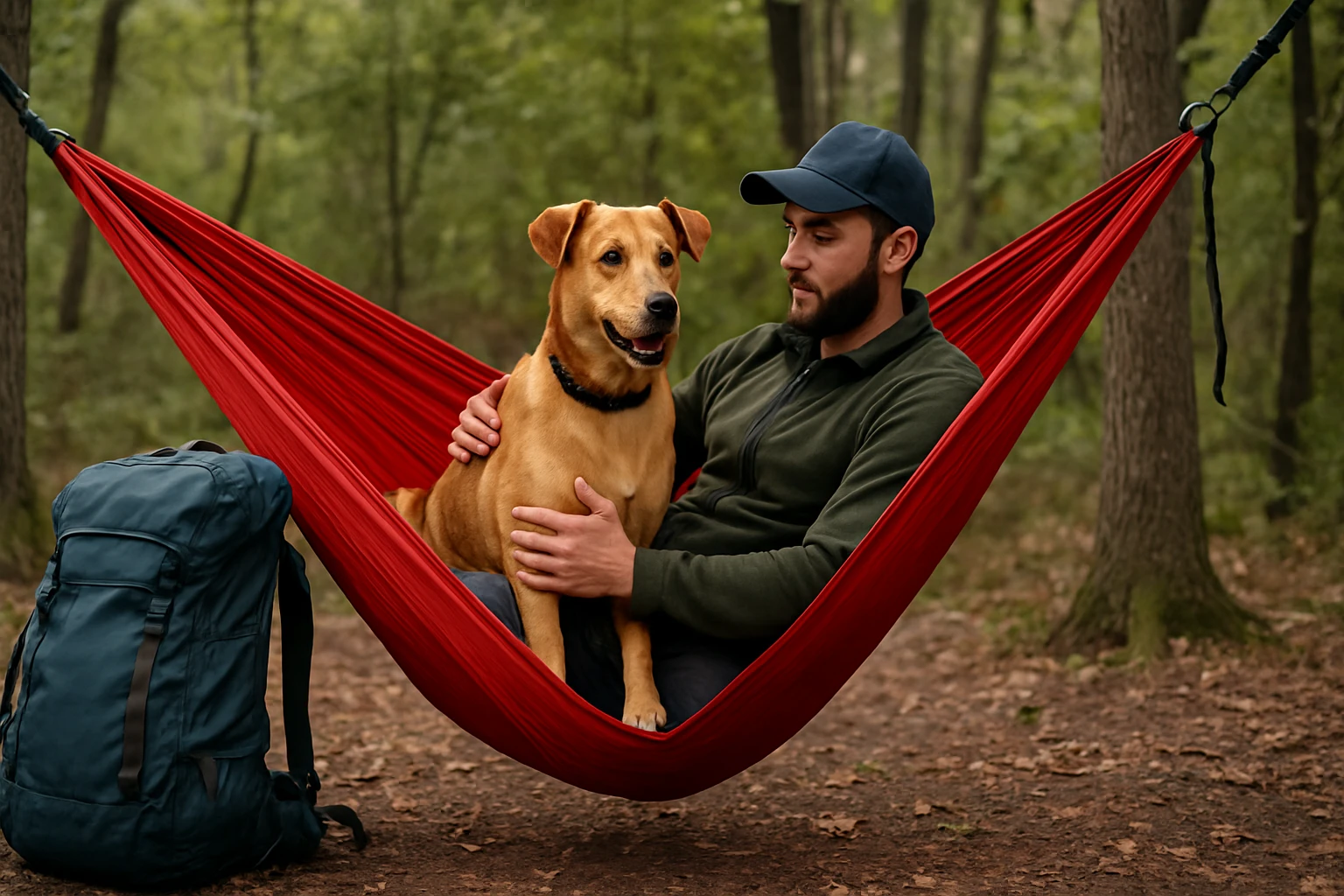
Hammock Camping with Dogs: The Essential Safety Guide and Checklist
Introduction
Hammock camping offers a lightweight, comfortable way to experience the outdoors, yet many pet owners wonder how to include their canine companions safely. This guide explains the core principles of hammock camping with dogs, outlines the equipment that enhances comfort and protection, and provides a step‑by‑step checklist to ensure a successful trip. Readers will learn how to evaluate terrain, select appropriate gear, and apply best‑practice safety measures while enjoying quality time with their pets.
The information presented combines expert advice with real‑world product examples, allowing readers to make informed decisions regardless of budget or experience level. By the end of the article, one will possess a clear plan for preparing, executing, and troubleshooting a hammock camping adventure with a dog.
Background and Context
Hammock camping differs from traditional tent camping in that the sleeping surface is suspended between two anchor points, typically trees. This design reduces ground moisture, provides excellent ventilation, and often results in a lighter pack weight. However, the elevated position introduces unique considerations for canine safety, such as fall risk, temperature regulation, and exposure to insects.
Dogs vary widely in size, agility, and tolerance for outdoor conditions. Understanding a dog’s breed characteristics, health status, and comfort preferences is essential before embarking on a hammock trip. For example, a large, active retriever may require a spacious, supportive surface, whereas a small terrier may need a snug, insulated pad to feel secure.
In addition to the hammock itself, supplemental items such as a waterproof dog mat, paw care balm, and a pet first‑aid kit can dramatically improve the overall experience. These accessories address common challenges such as wet ground, cracked paw pads, and minor injuries.
Choosing the Right Hammock and Anchor System
The foundation of a safe hammock camping experience lies in selecting a hammock that can support both the camper and the dog. Look for a weight rating that exceeds the combined load by at least 30 percent to accommodate movement and gear. Nylon or polyester fabrics with ripstop construction provide durability and resistance to tearing.
When setting up, use tree straps instead of direct rope ties to protect the bark and maintain consistent tension. Verify that the anchor points are at least 12 inches apart and free of loose bark or rot, as unstable trees increase the likelihood of a sudden collapse.
For dog owners, a larger hammock model with a width of 10 feet or more is advisable. This width allows the dog to lie comfortably without crowding the human sleeper, reducing stress for both parties.
Providing a Comfortable Surface for Your Dog
Even the most well‑designed hammock can become uncomfortable for a dog if the surface is cold, damp, or uneven. A dedicated dog mat adds insulation, waterproofing, and a familiar texture that encourages relaxation.
One highly rated option is the Cheerhunting Outdoor Dog Bed. This mat measures 43 inches by 26 inches, offering ample space for medium and large dogs. Its waterproof Oxford material repels rain and dew, while the refined stitching provides scratch resistance. The product holds a rating of 4.2 out of 5 stars from 4,724 reviews, indicating broad customer satisfaction.
Key features include machine‑washable fabric, a portable carry bag, and a loop for easy hanging to dry. The mat folds compactly, allowing it to fit inside a backpack without adding significant weight. By placing the dog bed inside the hammock, the canine enjoys a dry, cushioned platform that mitigates heat loss during cool nights.
Paw Protection and Care
Exposure to snow, ice, salt, and rough terrain can cause paw pads to crack, bleed, or become sore. Applying a protective balm before and after each hike reduces friction and restores moisture.
The Natural Dog Company Paw Soother Balm is formulated with coconut oil, mango butter, and calendula, creating a lick‑safe barrier that absorbs quickly without leaving a greasy residue. Customers rate it 4.4 out of 5 stars from 67,665 reviews, reflecting its effectiveness for winter paw care.
Apply a thin layer to each pad after returning from a walk, focusing on areas that show signs of cracking. The balm’s non‑greasy texture prevents tracking onto tent or hammock fabric, preserving cleanliness. Regular use maintains flexibility, allowing dogs to grip slippery surfaces more securely.
Emergency Preparedness: First‑Aid Kit
Even with careful planning, minor injuries can occur when camping in remote locations. A compact, well‑stocked first‑aid kit equips owners to address wounds, bites, or allergic reactions promptly.
The Arca Pet First Aid Kit offers a vet‑endorsed selection of supplies, including a digital thermometer, muzzle, tick removal tools, and an emergency flashlight. It holds a 4.8 out of 5‑star rating from 2,297 reviewers, underscoring its reliability.
Key components such as sterile gauze, antiseptic wipes, and bandages enable immediate treatment of cuts or abrasions. The included guide provides step‑by‑step instructions for common scenarios, from snake bites to splinters. Storing the kit in a waterproof pouch attached to the hammock’s interior pocket ensures quick access.
Comparison and Selection Guide
When evaluating gear for hammock camping with dogs, consider the following criteria:
- Size Compatibility: Ensure the dog mat fits within the hammock dimensions and accommodates the dog’s length and weight.
- Water Resistance: Choose products with proven waterproof or water‑repellent properties to protect against dew and rain.
- Portability: Items should fold or compress to a size that does not exceed the pack’s weight limit.
- Durability: Look for reinforced stitching and scratch‑resistant fabrics, especially for active breeds.
- Ease of Cleaning: Machine‑washable fabrics reduce maintenance time during multi‑day trips.
Based on these factors, the Cheerhunting Outdoor Dog Bed excels in size and waterproof performance, while the Natural Dog Company Paw Soother Balm provides a fast‑absorbing, non‑greasy solution for paw health. The Arca Pet First Aid Kit stands out for its comprehensive, vet‑approved contents and compact design.
Best Practices and Tips
To maximize safety and enjoyment, follow these actionable recommendations:
- Conduct a pre‑trip health check with a veterinarian, confirming that vaccinations are up to date and that the dog is fit for strenuous activity.
- Scout the campsite ahead of time to identify sturdy trees with appropriate spacing for hammock suspension.
- Set up the hammock on level ground, using a footprint or tarp underneath to protect the dog mat from sharp objects.
- Introduce the dog to the hammock gradually; allow the animal to explore the suspended surface while it remains on the ground.
- Secure the dog with a lightweight harness attached to a short, break‑away leash when the hammock is elevated, preventing accidental falls.
- Monitor temperature fluctuations; add a lightweight blanket underneath the dog mat if nights become cold.
- Apply paw balm after each hike and re‑apply if the dog walks on salted surfaces.
- Carry the first‑aid kit within arm’s reach and review the included manual before departure.
- Leave no trace by packing out all waste, including used pads and disposable medical supplies.
Implementing these steps reduces the likelihood of injuries and ensures that both the camper and the dog remain comfortable throughout the adventure.
Frequently Asked Questions
1. Can a small dog safely sleep in a hammock designed for an adult?
Yes, provided that the hammock is wide enough to accommodate both occupants without crowding. A small dog should be placed on a waterproof mat to prevent slipping.
2. How often should the dog mat be cleaned during a multi‑day trip?
If the mat becomes visibly soiled, wipe it with a damp cloth and allow it to air dry. For heavy mud, a quick hand wash with mild soap is advisable, followed by thorough rinsing.
3. Is the paw balm safe if the dog licks it off?
The Natural Dog Company Paw Soother Balm is formulated with lick‑safe ingredients such as coconut oil and vitamin E, making it safe for occasional licking after application.
4. What is the best way to secure a dog while the hammock is elevated?
A lightweight harness attached to a short, break‑away leash provides security while allowing the dog to move comfortably. Ensure the leash length does not allow the dog to reach the ground.
5. How can one protect the hammock’s anchor points from damage?
Use tree straps made of wide, padded webbing. These distribute pressure evenly and prevent bark abrasion, preserving the tree’s health and maintaining anchor integrity.
6. What should be done if a dog suffers a minor cut while camping?
First, apply pressure with sterile gauze from the Arca Pet First Aid Kit to stop bleeding. Clean the wound with antiseptic wipes, then cover with a bandage. Monitor for signs of infection.
7. Does the dog mat provide insulation in cold weather?
The Cheerhunting Outdoor Dog Bed offers a layer of insulation due to its thick Oxford material. For extreme cold, add a thin fleece blanket beneath the mat for additional warmth.
Conclusion
Hammock camping with dogs can be a rewarding experience when safety, comfort, and preparation are prioritized. By selecting a suitable hammock, incorporating a waterproof dog mat, protecting paw pads with a quality balm, and carrying a comprehensive first‑aid kit, owners create a secure environment that allows both human and canine participants to enjoy the outdoors fully. The checklist and best‑practice guidelines presented herein serve as a reliable roadmap for planning future trips.
Products Featured in This Guide
Cheerhunting Outdoor Dog Bed
Price: $39.99 | Rating: 4.2/5 (4,724 reviews)
Featured because it provides a waterproof, washable, and portable surface that enhances canine comfort while hammock camping.
Natural Dog Company Paw Soother Balm
Price: $6.49 | Rating: 4.4/5 (67,665 reviews)
Featured because its fast‑absorbing, non‑greasy formula protects and heals paw pads during cold‑weather excursions.
Arca Pet First Aid Kit
Price: $35.90 | Rating: 4.8/5 (2,297 reviews)
Featured because it supplies vet‑endorsed emergency supplies in a compact, travel‑ready package for on‑the‑trail pet care.