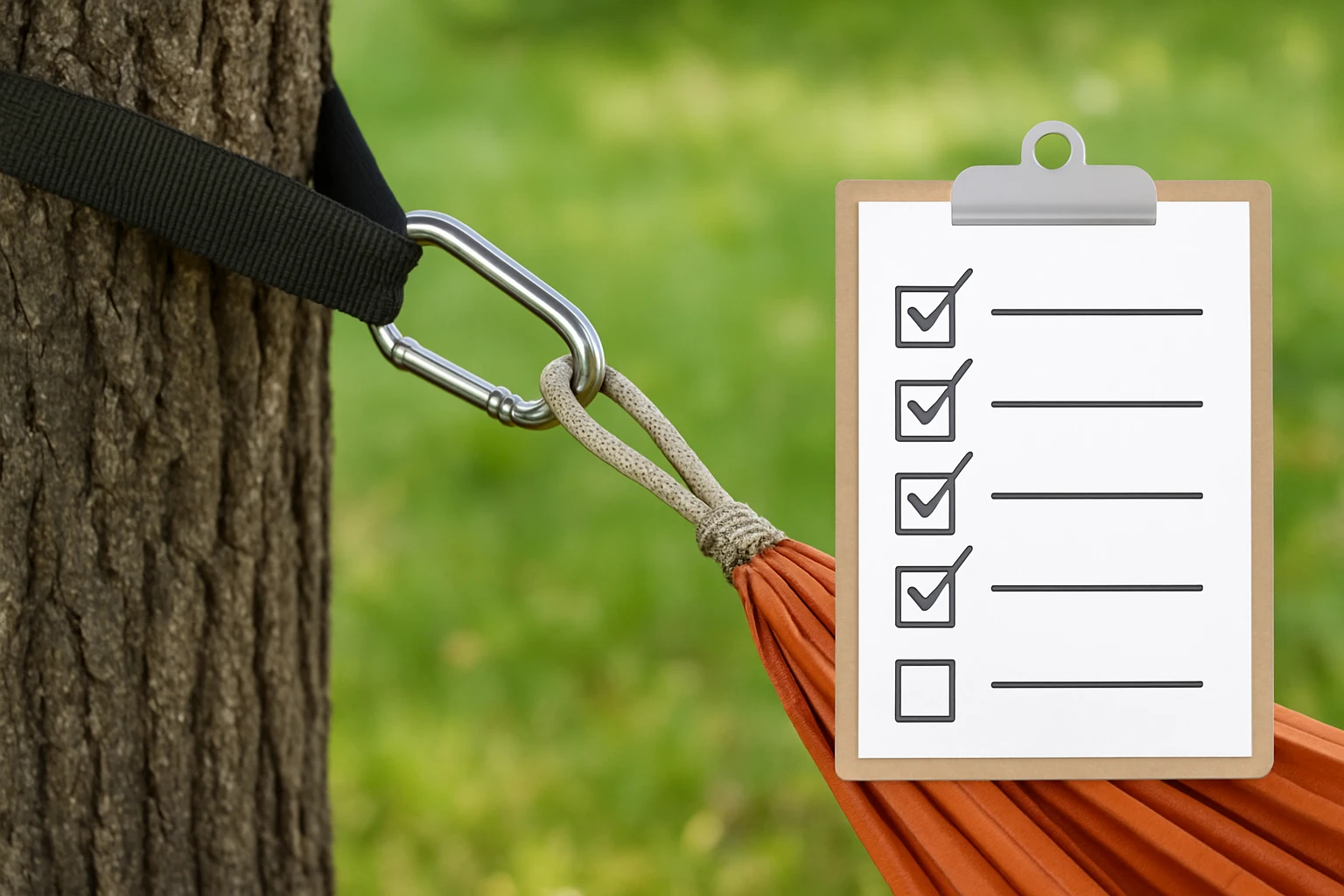
Hammock Suspension Safety Checklist: The Ultimate Step-by-Step Guide to Safe, Secure Hanging
Introduction
One will find that a hammock provides a unique blend of relaxation and outdoor immersion, yet the experience can become hazardous without proper suspension techniques. This guide explains the essential safety considerations, offers a detailed checklist, and recommends reliable accessories that enhance stability. Readers will learn how to evaluate anchor points, select appropriate hardware, and perform routine inspections before each use. By following the procedures outlined herein, one can enjoy a hammock with confidence and peace of mind.
Background and Context
Understanding the forces acting on a hammock is fundamental to preventing failure. When a person occupies a hammock, the load is distributed between two anchor points, creating tension that can reach several hundred pounds. The material of the straps, the strength of carabiners, and the health of the supporting tree all influence the overall safety margin. Additionally, environmental factors such as wind, moisture, and temperature can affect the integrity of the suspension system. A solid grasp of these concepts allows one to make informed decisions about equipment and installation.
Assessing Anchor Points
The first step in any safe setup is to examine the anchor points for structural soundness. Trees with a diameter of at least 8 inches and free of rot, cracks, or large limbs are ideal candidates. One should wrap a protective strap around the trunk at a height that permits comfortable entry and exit, typically between 4 and 6 feet above ground level. If a solid beam or a purpose‑built hammock stand is used, verify that it can support at least twice the intended load. Documenting the condition of each anchor point before installation reduces the likelihood of accidental failure.
Selecting Appropriate Hardware
High‑quality hardware bridges the gap between the hammock and its anchors, and it must meet stringent strength criteria. The ISUSSER Tree Swing Hanging Kit provides four black nylon straps, each measuring 29 cm by 3.5 cm, and four industrial‑strength steel carabiners rated for 220 lb per strap. The kit holds a 4.7‑star rating from 244 reviews, indicating reliable performance. For larger groups, the HGYI Camping Hammock with Mosquito Net includes reinforced nylon tree straps capable of supporting up to 600 lb, and it carries a 4.7‑star rating from 377 reviews. Selecting hardware with a safety factor of at least two ensures that unexpected dynamic loads do not compromise the system.
Step‑by‑Step Installation Checklist
- Identify two anchor points that meet the diameter and health criteria.
- Measure the distance between anchors; most hammocks require 10‑12 feet of span.
- Wrap the nylon strap around each anchor, positioning the strap at the desired height.
- Secure the strap with a carabiner, ensuring the gate faces away from the load direction.
- Attach the hammock’s suspension lines to the carabiners, maintaining equal tension on both sides.
- Perform a load test by applying gradual weight up to the intended capacity.
- Inspect all connections for signs of wear before each use.
Following this checklist minimizes the risk of sudden failure and promotes a consistent user experience.
Comparison and Selection Guide
When choosing between the two featured products, one must consider load capacity, intended use, and additional features. The ISUSSER kit excels for lightweight applications such as a single‑person swing or a small garden hammock, offering a compact solution at $11.99. Its 220 lb rating is sufficient for most adults, and the black nylon straps blend unobtrusively with natural surroundings. In contrast, the HGYI hammock delivers a full‑size sleeping platform with an integrated mosquito net, making it suitable for family camping trips. Although priced at $21.59, it supports up to 600 lb, providing ample capacity for two adults and children. The mosquito net adds protection against insects, a feature absent from the ISUSSER kit. Buyers should match the product to their specific scenario: lightweight backyard leisure versus robust, all‑weather camping.
Best Practices and Additional Tips
- Rotate the hammock periodically to distribute wear evenly across the suspension straps.
- Apply a weather‑resistant coating to metal carabiners to prevent corrosion in humid environments.
- Use a tree‑friendly strap rather than a rope that can damage bark; the ISUSSER kit employs a wide nylon strap that distributes pressure.
- When camping, select a site with natural windbreaks to reduce sway and stress on the suspension.
- Store all hardware in a dry container after use to extend service life.
Implementing these practices enhances durability and ensures that the hammock remains a safe retreat for years to come.
Frequently Asked Questions
What is the minimum tree diameter for safe hammock hanging?
A tree should have a diameter of at least 8 inches at the point of attachment; smaller trunks may not provide sufficient strength.
Can I use rope instead of the provided nylon straps?
One may use rope, but it can damage the bark and create uneven pressure; nylon straps are specifically designed to protect the tree while offering reliable grip.
How often should I inspect the carabiners for wear?
Inspect the carabiners before every use, looking for bent gates, cracks, or corrosion; replace any component that shows signs of damage.
Is the mosquito net on the HGYI hammock detachable?
The net is integrated into the hammock design and is not detachable; however, it folds away and can be secured with a strap when not needed.
What weight limit should I consider for a two‑person hammock?
For two adults, a hammock and suspension system rated for at least 500 lb is advisable; the HGYI hammock meets this requirement with a 600 lb capacity.
Conclusion
One can enjoy the serenity of a hammock without compromising safety by adhering to a systematic checklist, selecting appropriate hardware, and performing regular inspections. The ISUSSER Tree Swing Hanging Kit and the HGYI Camping Hammock with Mosquito Net exemplify products that combine durability, ease of use, and high customer satisfaction. By integrating the best practices outlined in this guide, one will create a secure suspension system that supports relaxation for many seasons.
Products Featured in This Guide
ISUSSER Tree Swing Hanging Kit
Price: $11.99
Rating: 4.7/5.0 from 244 reviews
Why featured: The kit provides four durable nylon straps and four steel carabiners, each rated for 220 lb, making it an ideal low‑cost solution for backyard hammocks and swing installations.
HGYI Camping Hammock with Mosquito Net
Price: $21.59
Rating: 4.7/5.0 from 377 reviews
Why featured: This hammock combines a spacious sleeping area with an integrated 380‑hole‑per‑square‑inch mosquito net and reinforced straps capable of supporting up to 600 lb, offering a premium solution for family camping and outdoor relaxation.