How to Hammock Camp Without Trees: 8 Easy Ways to Sleep Comfortably Anywhere
Introduction
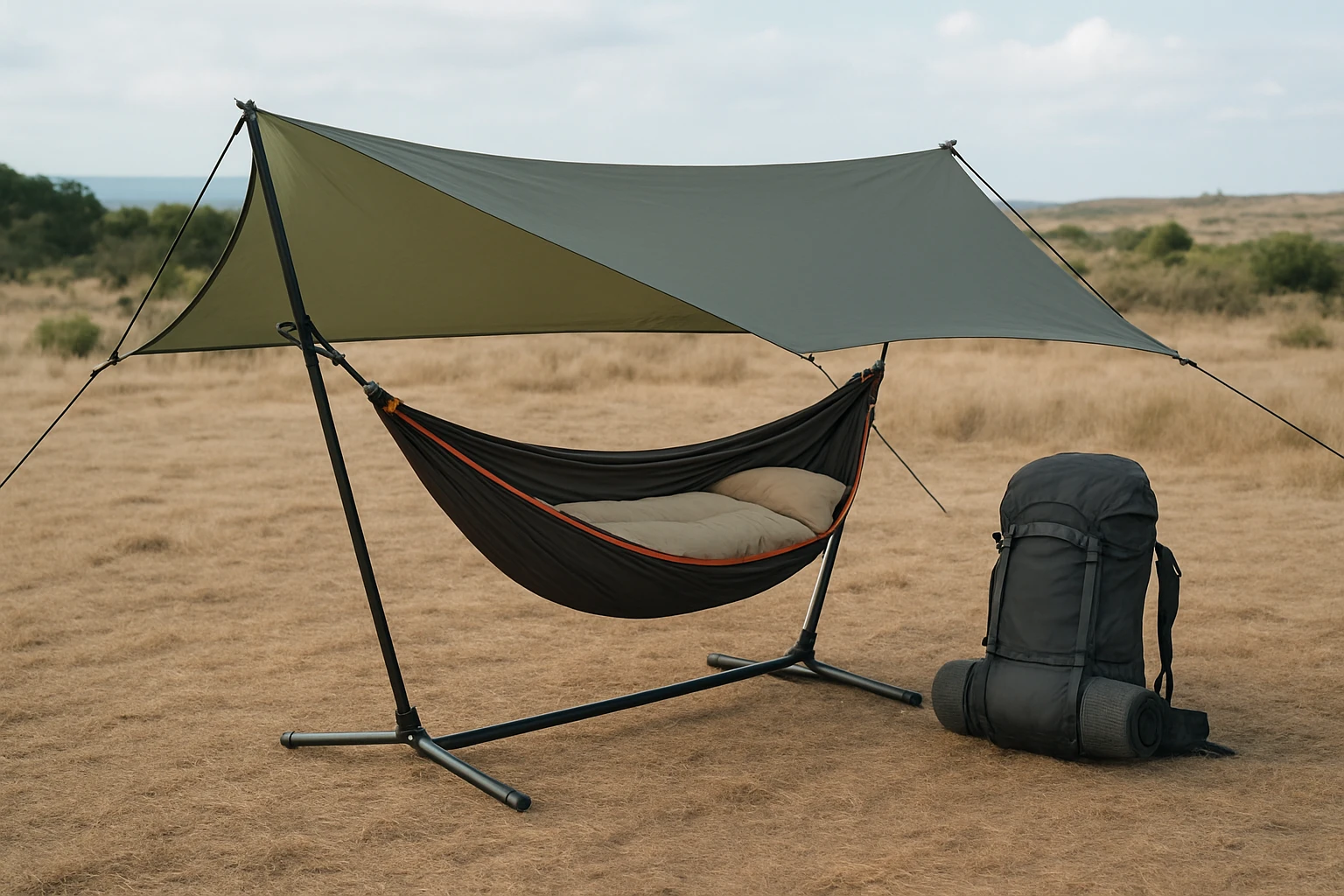
One often imagines hammock camping as a pastime that requires sturdy trees, yet many desirable sites lack suitable branches. This guide teaches the reader eight straightforward methods to create a secure sleeping platform without relying on trees. By the end of the article, the reader will understand how to select appropriate gear, assemble a stand, employ portable straps, construct a shelter, and address common challenges. The information is valuable because it expands the range of possible camping locations, reduces dependence on fragile vegetation, and enhances overall safety. Moreover, the techniques are applicable to backyard relaxation, festival camping, and remote wilderness adventures.
What You'll Need
- Portable hammock or double hammock with stand
- Tree‑free suspension system (e.g., hammock stand or portable straps)
- Weather‑proof shelter or mosquito net
- Ground stakes or weighted anchors
- Insulating underlay or sleeping pad
- Lightweight tarp or rainfly (optional)
Each item can be sourced from the product recommendations that follow, but the guide remains functional with alternative gear that meets the same specifications.
Step 1: Select a Level, Clear Site
One should first locate a flat area free of rocks, roots, and debris that could damage the hammock fabric. Use a small rake or hand to remove sharp objects, and ensure the ground is level to prevent the hammock from tilting. A level site improves comfort because the hammock will hang evenly, reducing strain on the suspension system. When camping in a forest clearing, choose a spot that receives morning sun but offers afternoon shade, which helps regulate temperature throughout the night.
Step 2: Deploy a Stand for Tree‑Free Suspension
When trees are absent, a sturdy stand provides the necessary anchor points. The PNAEUT Double Hammock includes a heavy‑duty steel frame that supports up to 450 lb, making it ideal for two adults. The stand is assembled without tools in approximately ten minutes, and its contrasting Brazilian‑style stripes add visual appeal to any patio or campsite. The steel construction resists corrosion, ensuring long‑term durability. By using this stand, one eliminates the need for trees while maintaining the hammock’s natural swing.
Step 3: Utilize Portable Tree Straps for Temporary Anchors
If a natural anchor such as a sturdy pole, fence post, or even a sturdy backpack is available, portable straps can convert it into a suspension point. The Wise Owl Camping Hammock ships with two 9‑foot tree straps and carabiners, allowing rapid attachment to any vertical surface. The parachute‑grade 210‑t nylon weave offers breathability and weather resistance, while the straps are designed to be tree‑friendly, preventing bark damage. Using these straps, one can set up the hammock between two portable poles or even a sturdy railing, extending the range of viable camping locations.
Step 4: Add a Mosquito‑Proof Shelter
Insect protection is essential for comfortable sleep, especially in humid environments. The Travel Bird Hammock Tent functions as a three‑in‑one solution: a hammock, a mosquito net, and a ground‑level tent. Its silver‑coated inner surface blocks UV rays, and the 48‑hole‑per‑inch netting provides 360° protection against insects. The lightweight aluminum support rods allow the tent to open fully without complex rope systems, saving time and effort. By integrating this shelter, one can camp in bug‑heavy regions without sacrificing comfort.
Step 5: Secure the Ground with Anchors or Weights
Even when using a stand, wind can cause the frame to shift if not properly anchored. Simple ground stakes, sandbags, or water‑filled jugs can be placed at the base of the stand legs to increase stability. When using portable straps, dead‑weight anchors such as large rocks or compact camping bags filled with gear can prevent the straps from slipping. Proper anchoring ensures that the hammock remains stationary throughout the night, reducing the risk of accidental collapse.
Step 6: Insulate for Temperature Regulation
Nighttime temperatures can drop dramatically, and the hammock’s airflow may lead to a cold‑down effect. An insulated sleeping pad or a closed‑cell foam pad placed beneath the hammock adds a thermal barrier while providing extra cushioning. Additionally, a reflective emergency blanket can be draped over the hammock’s interior to retain body heat. By combining insulation with the shelter’s rainfly, one creates a micro‑climate that mimics a traditional tent, allowing for restful sleep in varied weather.
Step 7: Optimize Comfort with Accessories
Comfort can be further enhanced by adding a pillow, a lightweight blanket, or a hammock-specific pillow that supports the neck. The PNAEUT Double Hammock’s cotton fabric is already soft, but a thin foam pad can prevent pressure points on the hips. For extended trips, a small LED lantern clipped to the shelter’s interior provides illumination without disturbing wildlife. These accessories are optional, yet they elevate the hammock‑camping experience to a level comparable with conventional tent camping.
Step 8: Pack Up Efficiently and Leave No Trace
After a night of rest, the reader should disassemble the stand, fold the hammock, and store all components in their respective carry bags. The Travel Bird Hammock Tent folds into a compact storage sack, and the Wise Owl straps coil neatly into the provided pouch. By packing efficiently, one reduces the overall weight carried on subsequent hikes. Moreover, leaving the site clean respects the environment and ensures that future campers can enjoy the same pristine conditions.
Tips & Pro Tips
- Test the suspension system before lying down; a quick tug ensures all connections are secure.
- When using a stand on soft ground, place a piece of plywood beneath the legs to distribute weight.
- Apply a water‑repellent spray to the hammock fabric if frequent rain exposure is expected.
- Use a small windbreak, such as a portable tarp, on the windward side of the shelter to reduce sway.
- Check local regulations regarding hammock use; some parks prohibit stands in certain areas.
Troubleshooting
| Problem | Solution |
|---|---|
| Hammock sags excessively | Adjust strap length or reposition the stand to a wider base; ensure the weight limit is not exceeded. |
| Stand wobbles in wind | Anchor the legs with sandbags or stakes; add a windbreak tarp. |
| Insects enter shelter | Seal any gaps in the mosquito net with cloth tape; ensure the zippered entry is fully closed. |
Conclusion
The reader now possesses eight actionable strategies to hammock camp without trees, ranging from employing a robust stand to creating a mosquito‑proof shelter. By selecting appropriate gear, securing anchors, and applying insulation, one can enjoy a comfortable night’s sleep in virtually any outdoor setting. The techniques empower the reader to explore new locations, reduce reliance on fragile vegetation, and camp responsibly. One is encouraged to experiment with the methods, adapt them to personal preferences, and share experiences with fellow outdoor enthusiasts.
Products Mentioned in This Guide
Frequently Asked Questions
What is the easiest way to set up a hammock without trees?
Use a portable hammock stand or freestanding frame that folds flat for transport and supports the hammock securely.
Can I use portable straps instead of a stand?
Yes, tensioned portable straps anchored to ground stakes or heavy objects can replace trees for hammock suspension.
What kind of ground anchors work best for tree‑free hammock camping?
Heavy‑duty ground stakes, sandbags, or water‑filled jugs provide reliable anchoring on most terrains.
How do I stay warm when hammock camping without a natural shelter?
Add an insulating underlay, a weather‑proof tarp, and a sleeping bag rated for the temperature to retain heat.
Is hammock camping without trees suitable for festivals or backyards?
Absolutely; the same stand or strap systems let you enjoy a hammock in crowded festivals or your own yard with minimal setup.