Introduction
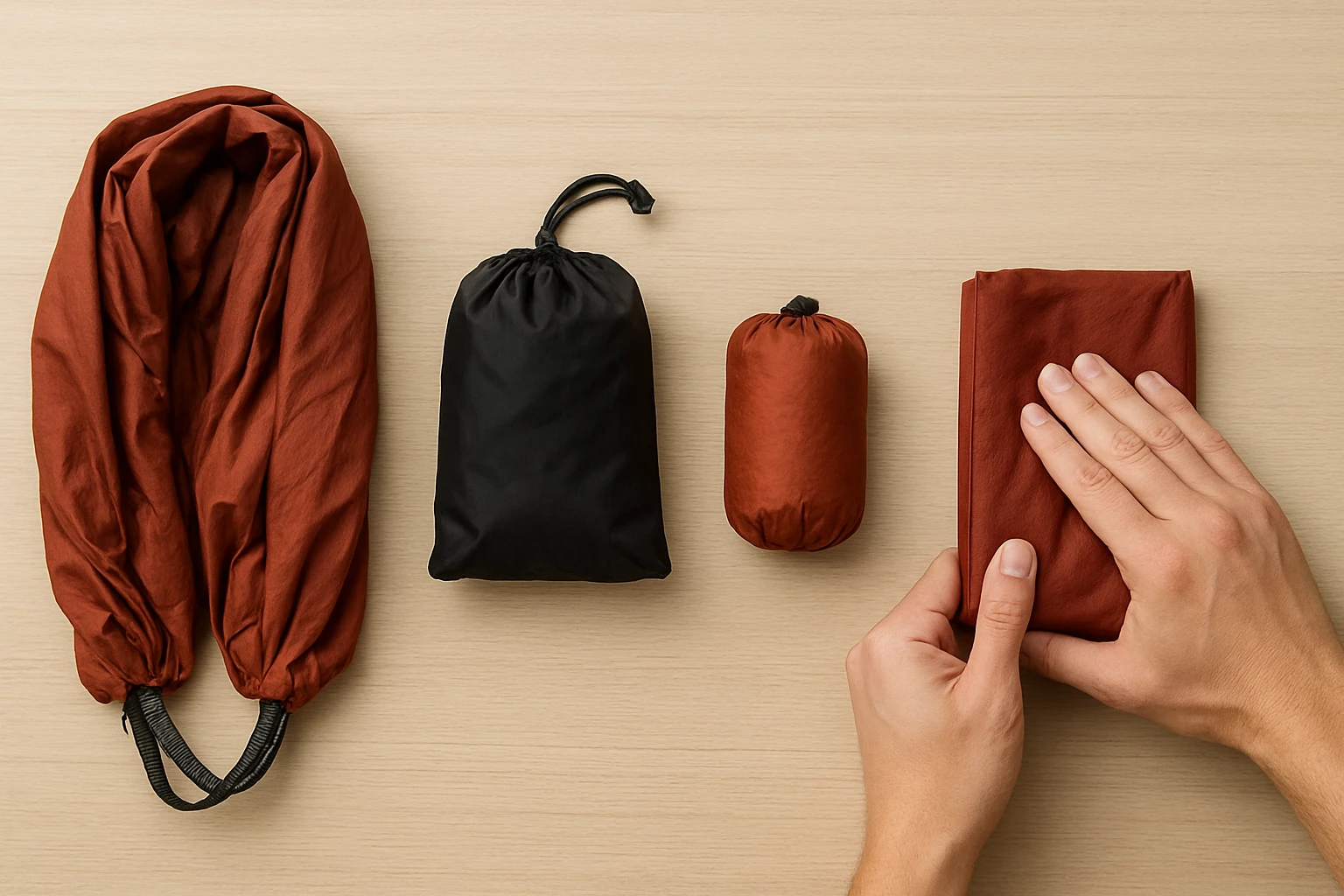
This guide explains how to pack a hammock so that it occupies the smallest possible volume while remaining protected and ready for use. Backpackers will learn why ultralight compression matters, how to select the appropriate hammock, and which tools streamline the process. By following the steps, one can reduce pack weight, free up space for other essentials, and avoid damage caused by improper storage.
Efficient packing also improves overall comfort during long treks because a well‑organized pack distributes weight evenly. The techniques presented are applicable to a range of hammock styles, from parachute‑grade nylon to cotton garden models. The guide remains valuable even for readers who already own equipment, as it offers universal principles that can be applied with or without the recommended products.
What You’ll Need
- Chosen hammock (see step 1)
- Compression sack or dry sack (optional but highly effective)
- Lightweight cord or paracord for bundling
- Scissors or a small cutter
- Cleaning cloth for quick wipe‑down
For convenience, the following products are suggested because they combine durability, low weight, and ease of use.
Step 1: Choose the Right Hammock for Ultralight Packing
Selecting a hammock that folds compactly is the foundation of an efficient pack. The Wise Owl Single/Double Camping Hammock offers a parachute‑grade breathable nylon weave that folds to the size of an eggplant and weighs only 24 oz. Its single size measures 9 ft × 4.5 ft, while the double version provides 10 ft × 6.5 ft for two occupants, both supporting up to 500 lb. The lightweight fabric and integrated tree straps reduce the need for additional accessories, making it an ideal base for ultralight compression.
The hammock’s triple‑interlocking stitching and machine‑washable design ensure longevity, which is essential for frequent backpacking trips. Compared with heavier cotton models, the Wise Owl hammock compresses more tightly, saving valuable pack space.
Step 2: Clean and Dry the Hammock Before Packing
Moisture trapped inside a hammock can increase weight and promote mildew. Before compression, wipe the surface with a dry cloth to remove dirt and sand. If the hammock is visibly dirty, remove the carabiners and wash it on a gentle cycle with cold water and a small amount of soap, as recommended by the manufacturer. Hang it to air‑dry completely; using a dryer may damage the nylon fibers.
Ensuring the hammock is fully dry prevents the formation of unpleasant odors and maintains the integrity of the fabric during long storage periods.
Step 3: Fold the Hammock Using the Triangle Method
The triangle fold creates a compact, uniform shape that fits most compression sacks. Begin by laying the hammock flat, then bring one corner to the opposite corner, forming a long diagonal. Next, fold the resulting triangle in half lengthwise, aligning the apex with the base. Finally, roll from the apex toward the base, keeping the roll tight but not so tight that the fabric creases permanently.
This method distributes tension evenly across the nylon weave, reducing the risk of stress lines that could weaken the material over time. The rolled shape also fits neatly into a cylindrical sack, maximizing volume reduction.
Step 4: Secure the Roll with Lightweight Cord
After rolling, bind the hammock with a short length of paracord or the included compression strap. The Wise Owl Single/Double Camping Hammock already provides two 9‑ft tree straps and carabiners, but a separate cord offers a tighter bundle without adding significant weight. Loop the cord around the roll three times, then tie a secure knot such as a double fisherman’s knot.
This step prevents the roll from unraveling during travel and keeps the hammock protected from abrasions caused by other gear inside the pack.
Step 5: Place the Hammock in a Compression Sack
Compression sacks expel air, shrinking the volume dramatically. A lightweight dry sack works well because it also shields the hammock from moisture. Insert the cord‑bound roll into the sack, then roll the sack itself from the open end toward the closed end, compressing the air as you go. Secure the sack with its built‑in drawstring or toggle.
When the sack is fully compressed, it typically reduces the hammock’s packed size by 50 % or more, allowing it to fit into a dedicated pocket of a 40‑liter backpack without compromising other gear.
Step 6: Optimize Pack Placement
Position the compressed hammock near the center of the pack, sandwiched between the sleeping bag and the outer shell. This placement balances the load and prevents the hammock from shifting during movement. If the pack has a dedicated hammock compartment, use it; otherwise, wrap the sack in a lightweight rain cover for added protection.
Ensuring the hammock does not press against hard objects such as trekking poles reduces the likelihood of punctures or tears.
Tips & Pro Tips
- Pre‑cut straps: Trim excess length from the tree straps after the first use to eliminate bulk.
- Use a silicone spray: Lightly applying silicone to the nylon weave improves water resistance without adding weight.
- Carry a spare carabiner: In case of loss, a small aluminum carabiner can replace the original without compromising strength.
- Consider a secondary hammock: For multi‑day trips, a lightweight cotton option such as the Anyoo Cotton Garden Hammock provides extra comfort for campsite evenings, though it occupies more volume.
- Test the pack weight: Before departure, lift the fully packed backpack; the hammock should add no more than 1 lb to the total weight.
Troubleshooting
Problem: Hammock roll expands after a day of hiking.
Solution: Re‑compress the sack using the drawstring; if the roll continues to expand, check for moisture inside the fabric and re‑dry before repacking.
Problem: Carabiners become difficult to thread through trees.
Solution: Use the Puptily Lightweight Camping Hammock as a backup; its included high‑density nylon straps are designed for smooth sliding and reduce friction.
Conclusion
By selecting a compact, lightweight hammock, cleaning and drying it thoroughly, employing the triangle fold, securing the roll with cord, and using a compression sack, a backpacker can minimize the volume occupied by a hammock without sacrificing durability or comfort. The steps outlined above transform a bulky piece of gear into a streamlined component of any ultralight pack. Applying the tips and troubleshooting advice ensures consistent performance on every adventure.
Products Mentioned in This Guide
Frequently Asked Questions
Why is ultralight compression important for backpacking hammocks?
It reduces pack weight and frees up space, improving balance and comfort on long treks.
How do I choose a hammock that packs to a minimal volume?
Select lightweight, narrow‑profile fabrics like parachute‑grade nylon and opt for designs with built‑in compression features.
What are the basic steps to pack a hammock using a compression sack?
Fold the hammock tightly, place it in the sack, roll or bundle it, and secure with the sack’s drawstring or a paracord loop.
Can I pack a hammock without a compression sack and still keep it compact?
Yes, you can roll the hammock tightly and bind it with lightweight cord or paracord, though a sack offers better protection and consistency.
Which tools or accessories help protect a hammock while packing?
A compression or dry sack, lightweight cord/paracord for bundling, and a small cutter for trimming excess material are the most useful.