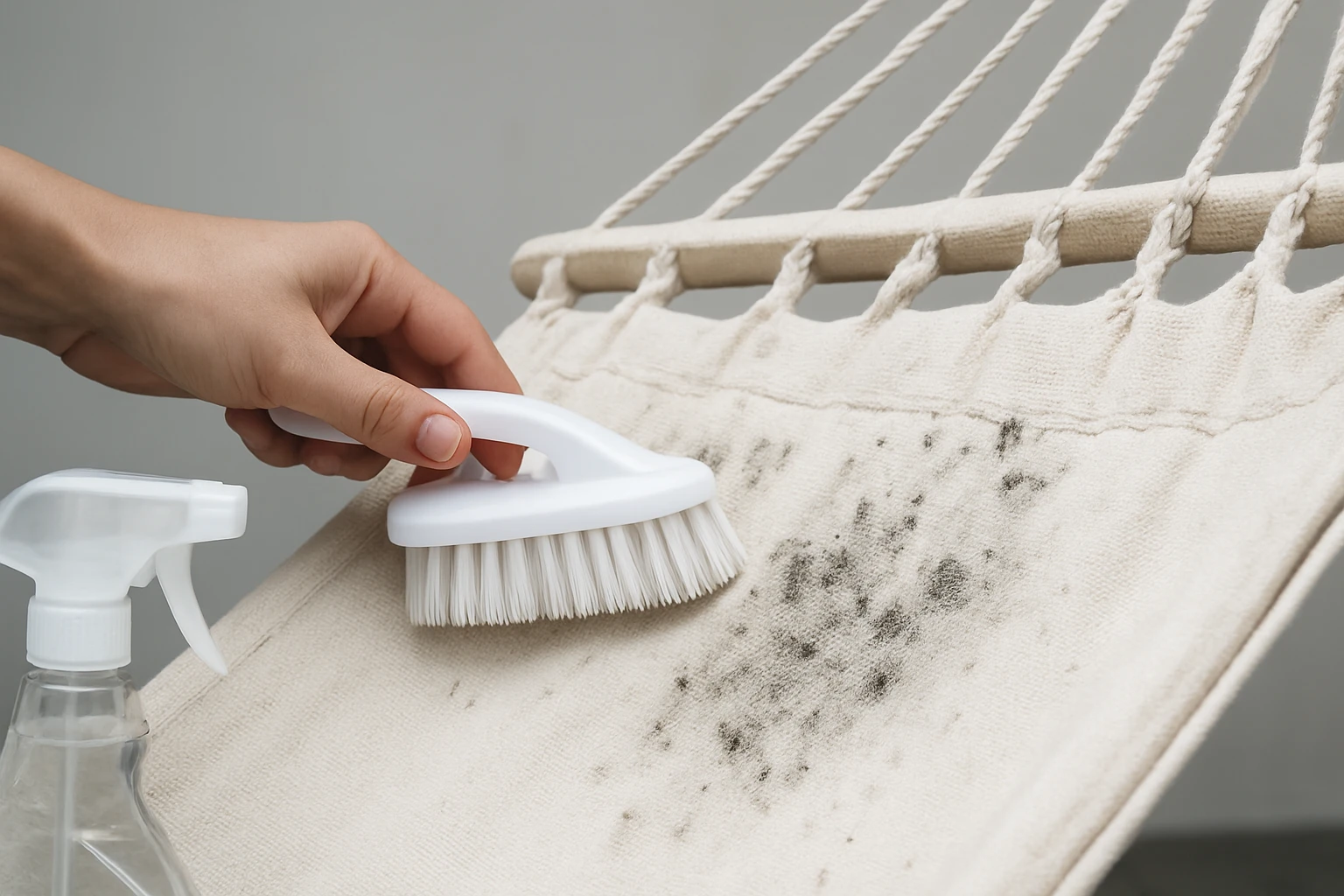

How to Remove Mildew from Hammock Fabric Safely: Step‑by‑Step Guide & Safe Cleaning Tips
Introduction
Hammocks provide a relaxing retreat, yet exposure to moisture can lead to stubborn mildew growth that damages fabric and creates unpleasant odors. This guide explains how to eliminate mildew safely, preserve the integrity of the material, and prevent future infestations. Readers will learn a systematic approach that combines proper preparation, effective cleaning agents, and preventive maintenance. By following these instructions, one can extend the lifespan of a hammock while maintaining a healthy outdoor environment.
What You’ll Need
- Better Boat Mold & Mildew Remover Spray – Better Boat Mold & Mildew Remover Spray
- Soft‑bristle brush or non‑abrasive sponge
- Garden hose or bucket of clean water
- Protective gloves and eye protection
- Clean, dry towels for drying
- Optional: UV‑resistant fabric protector
Step‑by‑Step Instructions
1. Inspect the Hammock Thoroughly
Begin by laying the hammock flat on a clean surface. Examine every panel for black or gray patches, paying particular attention to seams and areas that receive the most moisture. Identify spots where mildew has penetrated the weave, as these will require multiple applications of the cleaning solution. Document the most affected zones to ensure no area is missed during treatment.
2. Prepare a Safe Working Area
Choose an outdoor location with adequate ventilation, such as a patio or garden. Spread a waterproof tarp to protect the ground and to collect runoff water. Wear protective gloves and safety glasses to avoid skin irritation from the cleaning agent. Ensure that children and pets are kept at a safe distance while the spray is in use.
3. Apply Better Boat Mold & Mildew Remover Spray
Shake the Better Boat Mold & Mildew Remover Spray for a few seconds to mix the marine‑grade formula. Hold the can approximately 12 inches from the fabric and spray evenly until the stained area is thoroughly wet. The product is designed to break down mold and mildew on contact, eliminating the need for vigorous scrubbing. Allow the solution to sit for five to ten minutes; during this time the active ingredients penetrate the fibers and dissolve the spores.
Why this product is useful: Its marine‑grade formulation outperforms typical household cleaners by tolerating salt‑water exposure, making it exceptionally effective on fabrics that have endured outdoor conditions. The 22‑oz size, priced at $23.99 with a 4.4‑star rating from 1,199 reviewers, offers a cost‑effective solution for spot treatments and larger projects alike.
4. Lightly Agitate Stubborn Stains
If mildew persists after the initial spray, use a soft‑bristle brush or a non‑abrasive sponge to gently rub the affected area. Perform circular motions for no longer than thirty seconds to avoid damaging the fabric weave. For heavily set‑in stains, a second application of the spray followed by light agitation will often achieve complete removal. Rinse the brush frequently to prevent re‑depositing spores onto the hammock.
5. Rinse Thoroughly with Clean Water
Using a garden hose on a gentle setting, rinse the entire hammock until all residue from the cleaning solution is washed away. If a hose is unavailable, fill a bucket with clean water and pour it over the fabric, allowing gravity to carry away the runoff. Ensure that no suds remain, as leftover chemicals could attract dirt or cause discoloration over time.
6. Dry the Hammock Completely
After rinsing, shake the hammock to remove excess water and lay it flat on a clean, dry towel. Position the hammock in direct sunlight or a well‑ventilated area to promote rapid drying. Sunlight provides natural UV protection that further inhibits mold growth. Verify that the fabric is completely dry before folding or storing it, as residual moisture can reignite mildew formation.
7. Apply a Protective Fabric Guard (Optional)
For long‑term protection, consider spraying a UV‑resistant fabric guard over the clean, dry hammock. This additional layer repels water and reduces the likelihood of future mildew development. Follow the manufacturer’s instructions for application and curing time. While not essential, a protective guard enhances durability, especially in humid climates.
Tips & Pro Tips
- Test the spray on an inconspicuous area first to confirm colourfastness.
- Perform cleaning in the early morning or late afternoon to avoid direct, intense sunlight that could cause rapid drying and potential fabric brittleness.
- Use a soft‑bristle brush rather than a stiff wire brush to preserve the hammock’s weave.
- Store the hammock in a breathable bag rather than a sealed plastic container to prevent trapped moisture.
- Repeat the cleaning process annually as part of routine maintenance.
Troubleshooting
Problem: Mildew persists after two applications.
Solution: Increase the dwell time of the spray to fifteen minutes, then re‑scrub gently. In extreme cases, a diluted solution of white vinegar (one part vinegar to three parts water) can be applied before the commercial spray to break down resilient spores.
Problem: Fabric colour fades after cleaning.
Solution: Ensure the spray is applied evenly and avoid excessive soaking. Use a fabric‑safe detergent for a final rinse if colour loss is observed.
Conclusion
Removing mildew from hammock fabric safely requires careful inspection, the right cleaning agent, and thorough rinsing and drying. By employing Better Boat Mold & Mildew Remover Spray, one benefits from a marine‑grade formula that eliminates stains without harsh scrubbing, preserving the fabric’s appearance and longevity. Consistent maintenance and preventive measures will keep the hammock fresh, inviting, and free from harmful mold spores.
Products Mentioned in This Guide
Frequently Asked Questions
What is the safest way to clean mildew from hammock fabric?
Use a non‑abrasive sponge or soft‑bristle brush with a marine‑grade mold remover like Better Boat, then rinse thoroughly with clean water.
Can I use household bleach to remove mildew from my hammock?
Bleach can damage synthetic fibers and fade colors, so it’s not recommended; opt for a specialized mildew remover instead.
How often should I treat my hammock to prevent mildew growth?
Inspect and clean the hammock at least once a season, and apply a UV‑resistant fabric protector after each thorough cleaning.
Do I need to dry the hammock completely before storing it?
Yes, fully air‑dry the hammock in sunlight or a well‑ventilated area to prevent moisture‑related mold from returning.
Is it safe to wash a hammock in a washing machine?
Only if the manufacturer confirms machine‑washable; otherwise, hand‑wash with mild detergent and a gentle brush to avoid fabric damage.