
Introduction
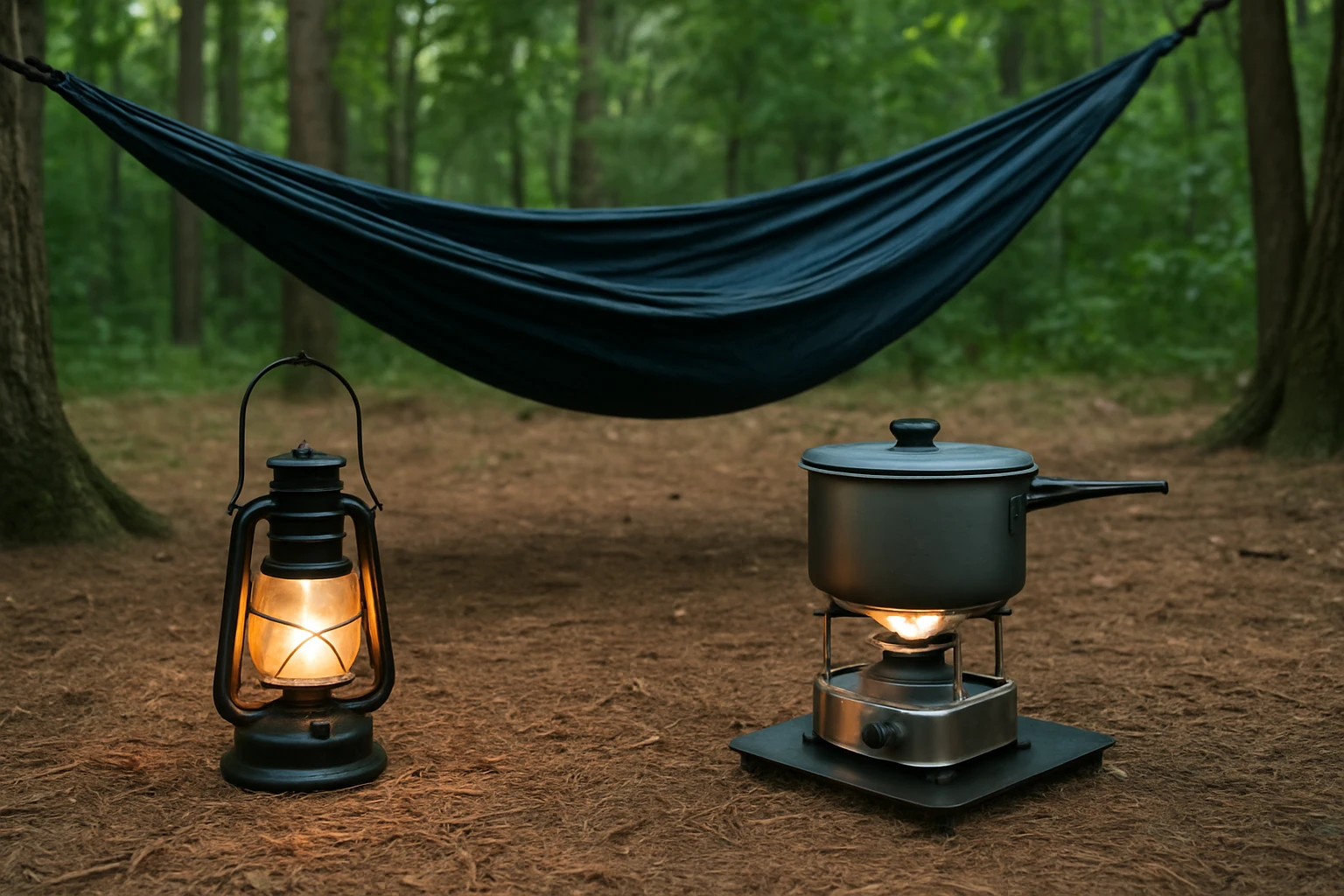
One will discover how to arrange lanterns and cooking zones around a hammock while maintaining fire safety. The guide explains site selection, equipment placement, and safe ignition practices. By following these instructions, campers reduce the risk of accidental fires and enjoy a comfortable, well‑lit campsite. The information is valuable for anyone who wishes to combine hammock relaxation with outdoor cooking without compromising safety.
What You'll Need
- Sturdy hammock suspension system
- Fire‑resistant ground mat or fire pan
- Lanterns with adjustable brightness
- Portable cooking stove (see product recommendations)
- Heat‑resistant gloves and fire extinguisher
- Basic tools: rope, carabiners, and a pocketknife
Step 1: Choose a Safe Location
One should first identify a campsite that offers natural windbreaks and clear space away from dry vegetation. Select a flat area that allows a minimum of three meters between the hammock and any combustible material. When possible, set up the hammock beneath a canopy of low branches to provide shade without obstructing airflow. This distance creates a buffer zone that limits heat transfer from lanterns or stove flames to surrounding foliage.
Step 2: Prepare the Ground and Install a Fire‑Resistant Base
Lay a fire‑resistant mat or a metal fire pan directly beneath the intended cooking area. The mat protects the soil and reduces heat reflection toward the hammock. Secure the mat with rocks or sandbags if the ground is uneven. This preparation ensures that any stray sparks are contained and that the heat does not travel upward toward the sleeping platform.
Step 3: Set Up the Hammock Properly
Attach the hammock using strong, weather‑resistant straps or rope, ensuring that the knots are tight and the suspension points can support the load. Adjust the height so that the hammock sits at least 30 centimeters above the ground, allowing airflow beneath it. A properly tensioned hammock reduces the chance of accidental contact with nearby heat sources.
Step 4: Position Lanterns for Optimal Illumination
Hang lanterns from sturdy tree branches or a portable light stand, keeping them at least one meter above the hammock canopy. Use lanterns with adjustable brightness to avoid excessive glare. Position the lanterns on the side opposite the cooking stove, thereby directing light away from the fire zone. This arrangement minimizes the likelihood of heat accumulation near the sleeping area.
Step 5: Choose and Set Up a Portable Cooking Stove
For campers who require robust heat output, the Camp Chef Everest 2X Camping Stove offers dual 20,000‑BTU burners that deliver rapid, reliable heat. Priced at $195.49 with a rating of 4.6 out of 5 stars from 480 reviews, this stove includes a folding lid with windscreen, instant start ignition, and a spacious 215‑square‑inch cooking surface. The windscreen design stabilizes the flame in breezy conditions, making it ideal for open‑air cooking near a hammock. Its compact construction and built‑in drip tray simplify transport and cleanup, which is essential when space is limited.
Campers on a tighter budget may consider the Cofiyard Portable 2-Burner Camp Stove. This model provides a combined 20,000‑BTU output, sufficient for most two‑pot meals. It costs $59.99 and holds a rating of 4.6 out of 5 stars from 258 reviews. Its compact, foldable design saves valuable pack space, and the corrosion‑resistant construction ensures durability in damp environments. The stove’s wind‑resistant performance eliminates the need for an additional windscreen, simplifying the setup process.
When positioning either stove, place it on the fire‑resistant mat prepared in Step 2, and keep a minimum distance of 1.5 meters from the hammock. Align the burners so that the flame points away from the sleeping area, and use the stove’s built‑in controls to regulate heat precisely.
Step 6: Ignite Safely and Manage the Fire
Before lighting the stove, verify that the propane tank is securely attached and that there are no leaks. Open the valve slowly and use the instant start ignition (or a reliable lighter) to ignite the burners. Adjust the flame to a low simmer while the first pot heats, then increase the heat as needed. Always keep heat‑resistant gloves nearby to adjust knobs without risking burns.
Maintain a clear line of sight between the stove and the fire extinguisher. In the event of a flare‑up, the extinguisher can be deployed quickly to suppress flames before they spread. Never leave the stove unattended while it is lit, and extinguish the burners completely when cooking is finished.
Step 7: Secure the Cooking Area After Use
Once cooking is complete, close the propane valve and allow the burners to cool for several minutes. Remove the fire‑resistant mat and inspect it for any remaining embers. If any hot spots are detected, cover them with sand or dirt to prevent re‑ignition. Store the stove in its carrying case and keep the propane tank upright to avoid leaks during transport.
Finally, double‑check that all lanterns are switched off or set to a low setting, and that any remaining fuel containers are sealed. This final sweep ensures that the campsite remains fire‑free throughout the night.
Tips & Pro Tips
- Use a metal fire pan beneath the stove even when the ground is rocky; the pan distributes heat evenly and prevents direct contact with flammable debris.
- Place a small bundle of damp sand near the cooking area; it can be used to smother unexpected sparks without the need for a full‑size extinguisher.
- When camping in windy conditions, orient the stove’s windscreen toward the prevailing wind to protect the flame and conserve fuel.
- Consider a lantern with a dimmable LED; lower brightness reduces heat output while still providing sufficient illumination for nighttime tasks.
- Inspect the hammock suspension points for wear before each trip; damaged straps can fail under the added weight of gear placed nearby.
Troubleshooting
Problem: The stove fails to ignite.
Solution: Verify that the propane tank is fully opened and that the regulator is not clogged. If the ignition button does not spark, use a long‑handled lighter as a backup. Clean the burner ports with a thin wire to remove any debris that may obstruct fuel flow.
Problem: Excessive wind causes flame instability.
Solution: Deploy the folding lid windscreen on the Camp Chef Everest 2X, or reposition the Cofiyard stove so that its built‑in wind‑resistant design faces the wind. Adding a temporary windbreak using a tarp can also stabilize the flame.
Conclusion
One has now learned how to select a safe campsite, prepare a fire‑resistant base, position lanterns, and set up a portable cooking stove while protecting a hammock from heat exposure. By following the step‑by‑step instructions and employing the recommended equipment, campers can enjoy a comfortable, well‑lit environment without compromising fire safety. The practices outlined in this guide promote responsible outdoor cooking and help preserve natural areas for future adventurers.
Products Mentioned in This Guide
Frequently Asked Questions
How far should a hammock be placed from combustible material?
Maintain at least three meters (10 feet) between the hammock and any dry vegetation or flammable objects.
What type of ground protection should be used under a cooking stove?
Use a fire‑resistant ground mat or metal fire pan to contain sparks and heat.
How can I choose a safe campsite location for lanterns and cooking?
Select a flat area with natural windbreaks, clear of dry brush, and preferably under low branches that allow airflow.
What safety gear is essential when cooking near a hammock?
Carry heat‑resistant gloves and a portable fire extinguisher within arm’s reach.
How should lanterns be positioned to avoid fire hazards?
Place lanterns on a stable, non‑flammable surface at least one meter away from the hammock and any cooking equipment, and use adjustable brightness to limit heat output.
