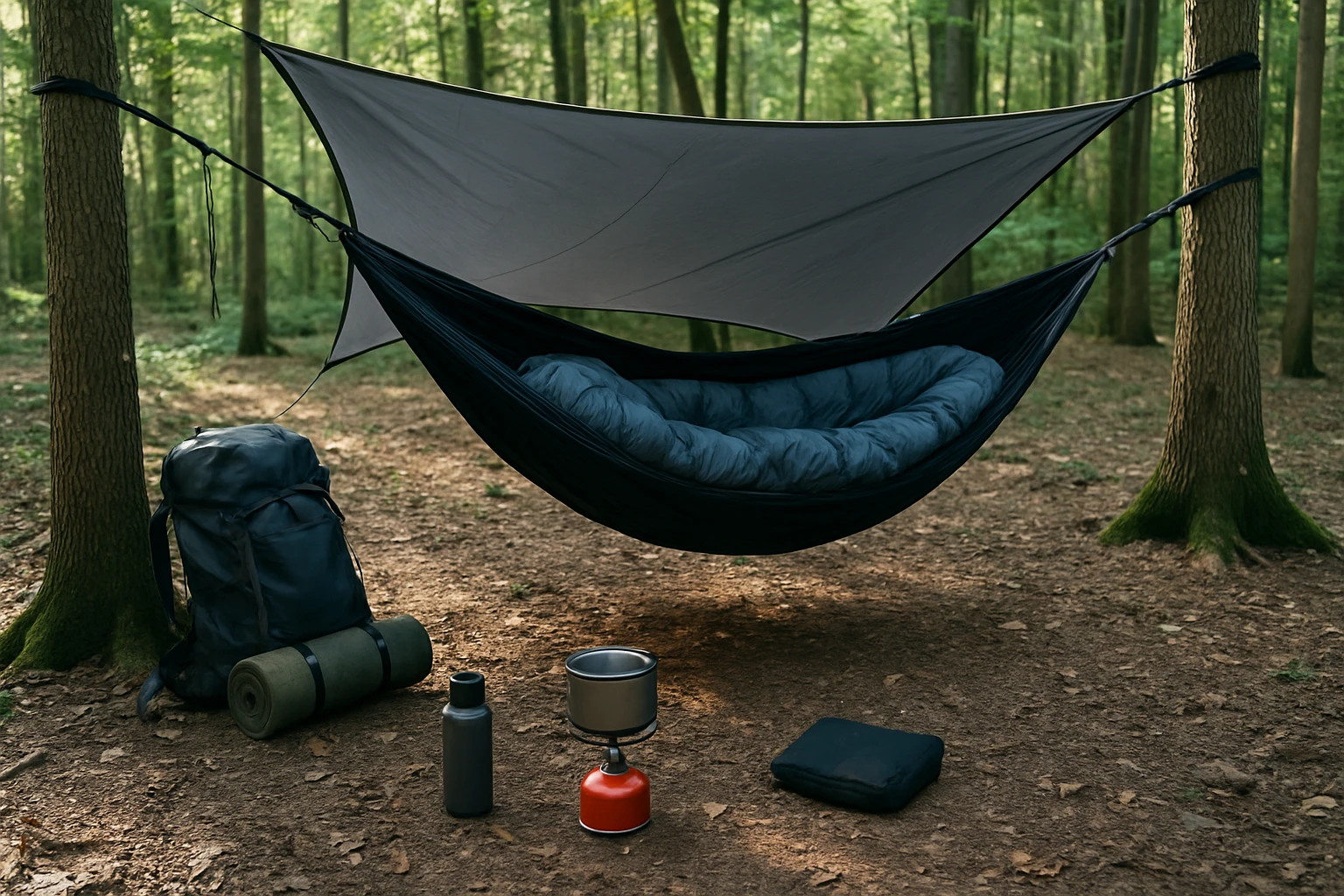

How to Set Up a Solo Long‑Distance Hiker's Hammock Camp: Efficient Layout, Gear Placement & Safety Tips
Introduction
In this guide the reader will discover how to create a comfortable, secure, and lightweight hammock camp suitable for long‑distance solo hikers. The instructions combine proven outdoor techniques with carefully selected gear that simplifies each phase of the setup. By following the step‑by‑step process one can reduce fatigue, protect equipment, and enjoy restorative rest between miles. The result is a repeatable system that enhances endurance and safety on extended treks.
What You'll Need
- A durable hammock (see product recommendations below)
- Tree straps or webbing, preferably with multiple adjustment loops
- Carabiners rated for at least 500 lb load
- Optional mosquito net for insect‑prone environments
- Compact sleeping pad or insulated blanket
- Lightweight tarp or rainfly for weather protection
- Ground stakes or sand pegs if camping on loose substrate
Step 1 – Select an Appropriate Site
Begin by scouting a location that offers two sturdy trees or branches spaced 10‑12 feet apart. The trees should be healthy, free of rot, and have a diameter of at least 4 inches to support the load. Choose a spot that provides natural windbreaks such as a rock outcrop or dense foliage. Ensure the ground beneath is level and free of sharp objects that could damage the hammock fabric.
Step 2 – Prepare Tree Straps and Anchors
Attach the tree straps to each selected tree using the built‑in carabiners; this eliminates the need for knots and reduces wear on bark. The Kootek Portable Camping Hammock includes 18+1 adjustment loops on each strap, allowing precise height control without tying knots. The straps are designed to be tree‑friendly, distributing pressure evenly and preventing damage to the trunk. For hikers who anticipate mosquito activity, the Qevooon Hammock with Net supplies a breathable net that attaches via two high‑quality zippers, offering additional protection while remaining lightweight.
Step 3 – Assemble and Hang the Hammock
Lay the hammock flat on the ground to inspect for any tears or loose stitching before suspension. Clip the hammock’s carabiners onto the prepared tree straps, then adjust the loops until the hammock hangs at a 30‑degree angle from the trees; this angle provides optimal support and comfort. The Wise Owl Outfitters Camping Hammock features five separate loops per strap, granting fine‑tuned height adjustments for solo users. Verify that the hammock can support at least 500 lb, a capacity shared by all three recommended models, ensuring safety even with gear stored inside.
Step 4 – Optimize Gear Placement
Place a compact sleeping pad or insulated blanket inside the hammock to increase insulation from cold air circulating beneath. Position a lightweight tarp overhead using a ridgeline stretched between the two trees; this creates a rainfly that shields against precipitation while preserving airflow. Store essential items such as a headlamp, water bottle, and navigation tools in a small dry‑bag attached to the hammock’s side loops for easy access. The Kootek hammock’s attached carry bag doubles as a storage compartment, reducing the need for additional pouches.
Step 5 – Secure the Perimeter and Test Stability
Drive ground stakes or sand pegs into the soil around the hammock base to anchor any loose cords or tarp lines. Perform a load test by gently sitting in the hammock and shifting weight from side to side; listen for any creaking of the straps or carabiners. If the hammock sways excessively, raise the attachment points slightly to increase tension. Confirm that the mosquito net (if used) remains taut and that ventilation is adequate to prevent condensation.
Step 6 – Final Safety Checks Before Rest
Inspect the surrounding area for hazards such as low hanging branches, loose rocks, or wildlife trails. Ensure that all carabiners are fully closed and that the strap loops are locked in place. Verify that the tarp is secured with a slight overhang to divert water away from the sleeping area. Finally, perform a brief breathing exercise to assess comfort; a well‑balanced hammock should feel like a gentle cradle rather than a rigid suspension.
Tips & Pro Tips
- Use a small piece of paracord to create a quick‑release knot on the strap; this allows rapid disassembly in emergencies.
- When hiking in cold climates, add a reflective emergency blanket between the hammock fabric and sleeping pad for extra warmth.
- Consider a lightweight bug‑repellent spray on the net fabric to enhance protection without affecting breathability.
- Practice setting up the hammock at home before the trek; familiarity reduces setup time to under five minutes.
Troubleshooting
Problem: Hammock sags too low and feels unstable.
Solution: Raise the attachment points higher on the trees and tighten the adjustment loops; a steeper angle reduces sag and improves support.
Problem: Mosquito net drapes onto the face.
Solution: Flip the reversible net to the opposite side or adjust the strap length so the net sits above head level.
Conclusion
By following the outlined steps the solo long‑distance hiker can establish a reliable hammock camp that maximizes comfort, conserves energy, and upholds safety standards. The recommended hammocks—Kootek Portable Camping Hammock, Qevooon Hammock with Net, and Wise Owl Outfitters Camping Hammock—provide durable construction, generous weight capacity, and thoughtful accessories that streamline the setup process. Implementing the layout, gear placement, and safety checks described herein will enable the hiker to rest efficiently and continue the journey with renewed vigor.
Products Mentioned in This Guide
Frequently Asked Questions
What type of tree straps are best for a solo hammock camp?
Use wide, adjustable webbing straps with multiple loops to protect bark and allow fine height tuning.
How do I choose a safe campsite for a hammock?
Select two sturdy trees at least 10‑12 ft apart, with clear space below, and avoid dead or leaning trees.
What weight rating should my carabiners have?
Pick carabiners rated for at least 500 lb (227 kg) to safely support the hammock, gear, and sleeper.
Do I need a rainfly or tarp for a solo long‑distance hammock?
A lightweight tarp or rainfly protects you from rain and wind while adding minimal weight to your pack.
Is a mosquito net necessary, and when should I use it?
Use a net in insect‑heavy areas or dusk‑to‑dawn to prevent bites without compromising ventilation.

