Introduction
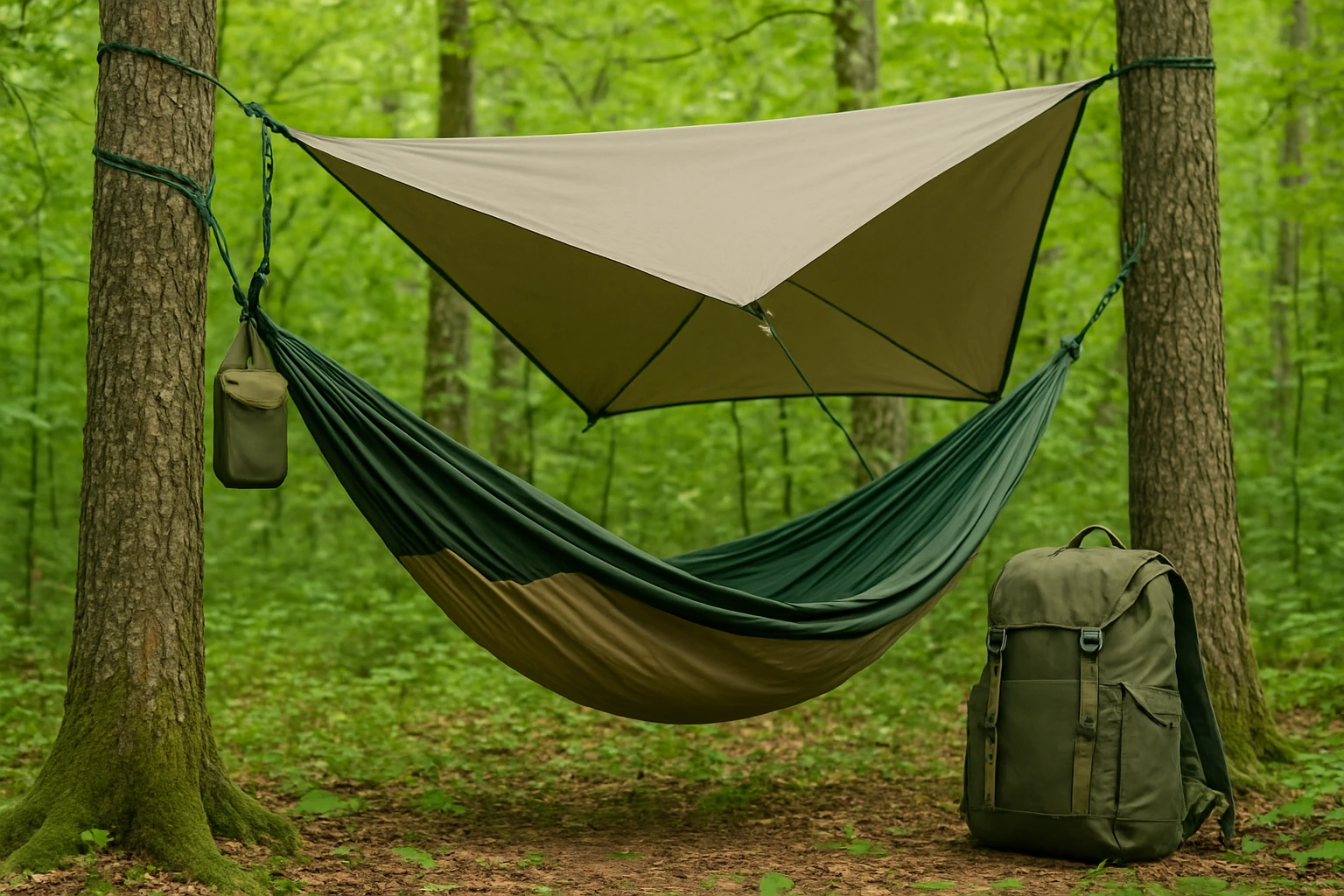
Outdoor relaxation has become a cornerstone of modern wellness, and hammocks represent one of the most accessible ways to unwind under the sky. This guide explores eco‑friendly hammock gear, focusing on sustainable materials, top product selections, and practical buying advice. Readers will understand how material choices impact the environment, learn to evaluate durability and comfort, and discover actionable tips for responsible use and maintenance.
By the end of this article, one will be equipped to choose a hammock that aligns with personal adventure goals while minimizing ecological footprints. The information blends scientific context with real‑world product examples, ensuring value for both novices and seasoned campers.
Background
Traditional hammocks were crafted from natural fibers such as cotton, hemp, and sisal, offering breathability and biodegradability. In recent decades, synthetic alternatives like polyester and parachute nylon have dominated the market because of their strength‑to‑weight ratio and weather resistance. However, many manufacturers now incorporate recycled fibers, low‑impact dyes, and responsibly sourced canvas to bridge performance and sustainability.
Understanding the lifecycle of a hammock—from raw material extraction to end‑of‑life disposal—helps consumers make choices that reduce waste, lower carbon emissions, and support ethical labor practices. The following sections break down these considerations in detail.
Understanding Sustainable Materials
Eco‑friendly hammock materials can be grouped into three primary categories: recycled synthetics, organic natural fibers, and hybrid blends. Each offers distinct advantages and trade‑offs regarding durability, weight, and environmental impact.
- Recycled Polyester or Nylon: Post‑consumer plastic bottles are melted and spun into fibers that retain the strength of virgin polyester while diverting waste from landfills. These fabrics often feature water‑resistant coatings that extend product life.
- Organic Cotton and Hemp: Grown without synthetic pesticides, these fibers biodegrade naturally and provide a soft, breathable surface. They may require more frequent washing, but their low‑impact cultivation offsets the maintenance cost.
- Hybrid Canvas‑Cotton Blends: Combining cotton with a modest amount of recycled polyester yields a fabric that is both sturdy and comfortable, suitable for heavy‑weight users and varied climates.
When evaluating a hammock, look for certifications such as GOTS (Global Organic Textile Standard) for cotton or recycled content labels on synthetics. The products highlighted below exemplify these principles.
For a lightweight, weather‑resistant option crafted from 210T parachute fabric, consider the SZHLUX Double Camping Hammock. Its fabric is engineered for rapid drying and resistance to tearing, making it a solid choice for hikers who prioritize packability without sacrificing durability.
Those who favor natural fibers may appreciate the GOCAN XXL Brazilian Hammock. Constructed from high‑density cotton canvas, it offers a breathable surface and a rustic aesthetic while maintaining a 600‑pound capacity.
Choosing the Right Hammock for Different Activities
Adventure contexts dictate distinct performance requirements. Backpackers need ultra‑light weight and compact packing; backyard loungers value comfort and aesthetic appeal; and long‑term campers prioritize durability against UV exposure and moisture.
Backpacking Scenario: A hammock that folds into a sack smaller than 6 × 5 × 3 inches and weighs under 2 pounds, such as the SZHLUX Double Camping Hammock, fits neatly into most external frame packs. Its adjustable tree‑friendly straps eliminate the need for knots, reducing set‑up time on rugged terrain.
Garden or Patio Scenario: A larger footprint and decorative elements enhance visual appeal. The Bellzacasa Double Hammock features tassels and fishtail knitting, providing a boho aesthetic while supporting up to 550 lb.
Family Camping Scenario: Capacity for multiple occupants and robust construction are essential. The Castaway 13 ft Rope Hammock offers a 450‑lb rating with a hand‑woven lattice that distributes weight evenly, reducing stress on individual strands during prolonged use.
Comparison and Selection Guide
| Feature | SZHLUX Double Camping Hammock | Castaway 13 ft Rope Hammock | GOCAN XXL Brazilian Hammock | Bellzacasa Double Hammock |
|---|---|---|---|---|
| Material | 210T parachute nylon (synthetic, recyclable) | 8 mm green polyester rope (recycled content) | High‑density cotton canvas (organic potential) | 320 g/m² thick canvas (cotton blend) |
| Weight (packed) | 1.8 lb | ~3.5 lb (including hardware) | ~4 lb with carry bag | ~4.2 lb with straps |
| Capacity | 500 lb (2 adults) | 450 lb (2 adults) | 600 lb (2 adults + children) | 550 lb (2 adults) |
| Dimensions (unfolded) | 106" × 55" | 13 ft length, width varies | 87" × 65" (≈10 ft × 5.5 ft) | 200 cm × 145 cm (≈79" × 57") |
| Price (USD) | $25.99 | $109.99 | $30.99 | $37.99 |
| Amazon Rating | 4.7/5 (4,169 reviews) | 4.3/5 (96 reviews) | 4.6/5 (7,094 reviews) | 4.6/5 (868 reviews) |
| Key Eco Feature | Quick‑dry nylon, minimal packaging | Recycled polyester rope, zinc‑plated hardware | Natural cotton canvas, biodegradable | Thick canvas with reusable mounting straps |
When selecting a hammock, prioritize the criteria most aligned with your primary use case. For ultra‑light travel, the SZHLUX model offers the best weight‑to‑capacity ratio. For aesthetic garden installations, the Bellzacasa’s decorative tassels provide visual interest without compromising strength. Families seeking maximum load capacity may find the GOCAN XXL Hammock the most suitable.
Best Practices & Tips
- Inspect Tree Health: Choose trees with a diameter of at least 4 inches and avoid those with visible rot. Use a tree strap rather than rope to protect bark and extend product life.
- Maintain Proper Sag: Aim for a 30‑45 degree angle between the hammock and the supporting trees. This reduces stress on the fabric and improves comfort.
- Seasonal Care: After rainy seasons, air‑dry the hammock completely before storage to prevent mold. For cotton canvas, a gentle brush‑off of debris preserves breathability.
- Repair Minor Tears: Use a fabric repair kit compatible with the hammock’s material—nylon patches for synthetic fabrics, cotton patches for canvas. Prompt repairs prevent larger failures.
- Recycle End‑of‑Life: Many manufacturers accept used synthetic hammocks for recycling. Contact the brand’s customer service to arrange responsible disposal.
Adhering to these practices extends the lifespan of your gear, reduces the need for replacement, and aligns with sustainable outdoor ethics.
Frequently Asked Questions
- What is the most eco‑friendly hammock material? Organic cotton and hemp are biodegradable and low‑impact, but recycled polyester offers durability with a reduced carbon footprint. Choose based on your climate and usage frequency.
- Can I use a hammock in winter? Yes, provided the fabric is water‑resistant and you add an insulated sleeping pad. Synthetic hammocks like the SZHLUX model dry quickly, making them suitable for cold, damp conditions.
- How do I prevent damage to trees? Use wide, padded tree straps rather than thin ropes. Straps distribute load over a larger bark area, minimizing abrasion.
- Is a higher price always an indicator of better sustainability? Not necessarily. Look for transparent sourcing statements, recycled content percentages, and third‑party certifications rather than price alone.
- How often should I replace my hammock? With proper care, a high‑quality hammock can last 5‑10 years. Replace it when the fabric shows signs of fraying beyond repair or when load capacity diminishes.
Conclusion
Eco‑friendly hammock gear combines thoughtful material selection, responsible manufacturing, and durable design to deliver comfort while safeguarding the environment. By understanding sustainable fabrics, matching hammocks to specific activities, and applying best‑practice maintenance, one can enjoy countless hours of relaxation with a reduced ecological footprint. The featured products illustrate a spectrum of options—from ultra‑light synthetics to robust natural canvas—empowering readers to make informed, greener choices.
Products Featured in This Guide
SZHLUX Double Camping Hammock
Price: $25.99 | Rating: 4.7/5 (4,169 reviews)
Featured for its lightweight 210T parachute nylon, 500 lb capacity, and tree‑friendly adjustable straps that make it ideal for backpackers seeking sustainable, packable comfort.
Castaway 13 ft Rope Hammock
Price: $109.99 | Rating: 4.3/5 (96 reviews)
Featured for its hand‑woven 8 mm recycled polyester rope, sturdy hardwood spreader bars, and included hardware, offering a balanced blend of durability and eco‑conscious design for garden and campsite use.
GOCAN XXL Brazilian Hammock
Price: $30.99 | Rating: 4.6/5 (7,094 reviews)
Featured for its high‑density cotton canvas construction, 600 lb load capacity, and portable drawstring bag, providing a natural, breathable option for eco‑mindful loungers.
Bellzacasa Double Hammock
Price: $37.99 | Rating: 4.6/5 (868 reviews)
Featured for its thick canvas fabric, decorative tassels, and included mounting straps, delivering a stylish yet robust solution for patio, balcony, or beach settings.